
Avid Sports Medicine Blog
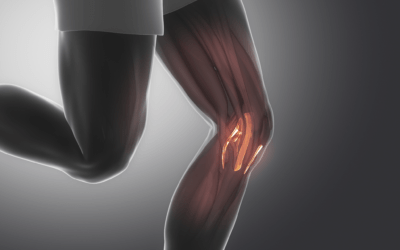
Connective Tissue Knee Pain: Causes, Treatment, And Recovery
Key Takeaways Connective tissue in the knee includes ligaments, tendons, cartilage, meniscus, and fascia, all of which help support stability and movement. Knee pain often happens when tissue load exceeds tissue capacity, either from sudden injury or gradual overuse....
Recovery From Knee Replacement: Timeline, Rehab, And Strength
Key Takeaways Recovery from knee replacement is about restoring motion, rebuilding strength, improving walking, and regaining confidence. The first few weeks focus on swelling control, range of motion, safe walking, and basic muscle activation. Strength continues to...

Beach Volleyball Injuries: Common Problems, Smart Recovery, And How To Prevent Them
Key Takeaways Beach volleyball injuries are common because sand increases fatigue, instability, and repetitive load on shoulders, knees, ankles, and Achilles. Many injuries are preventable with shoulder endurance training, calf and ankle strength, and core stability....
Swimming Injuries: Why They Happen, And How To Prevent Them
Key Takeaways Swimming injuries are usually overuse injuries from high repetition, fatigue, and volume spikes. Shoulder pain is most common, but neck, low back, and breaststroke knee pain are also frequent issues. The best prevention approach combines strength,...
Most Common Baseball Elbow Injuries: What Players Miss Early
Key Takeaways Most baseball elbow injuries come from cumulative throwing stress plus fatigue, not one single throw. Medial elbow pain is common and may involve flexor tendon overload or UCL strain patterns, so early evaluation matters when pain persists. The fastest...

Common Surfing Injuries You Should Not Ignore
Key Takeaways Common surfing injuries often come from paddling volume, prolonged extension posture, and fatigue-driven technique changes. Shoulder, low back, neck, ribs, knee, and ankle issues are the most frequent problem areas for surfers. The best prevention plan...

Shoulder & Rotator Cuff Injuries in Pickleball: Risks & Prevention
Key Takeaways Most pickleball shoulder pain is overuse related and tied to volume, endurance, and movement control. Rotator cuff and scapular endurance protect the shoulder during high-rep swings and fast reactions. Warm ups, thoracic mobility, and whole-body power...

Hip & Core Strength Importance in Runners, Dancers & Tennis Players
Hip and core strength is one of those topics that sounds like a generic fitness slogan until you have dealt with an injury that will not go away. A runner starts getting knee pain and keeps stretching the knee. A dancer feels hip pinching and keeps rolling the hip...

Stubborn Hip Pain in Women: Pelvic Floor, Tendon, and Labral Causes
Hip pain in women is incredibly common, yet many women spend months or years trying stretches, injections, massages, or strengthening exercises without lasting relief. One reason hip pain can become so persistent is because the hip rarely functions in isolation. The...
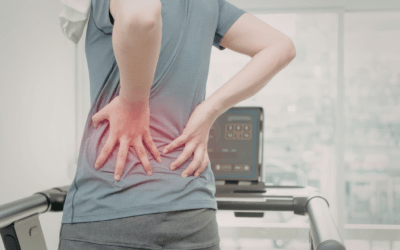
Why Lower Back Pain Happens in Golfers: Mechanics, Treatment & Recovery
Key Takeaways Golf back pain often comes from the low back compensating for hip and thoracic limits plus core and glute endurance gaps. Common swing stress patterns include early extension, excessive slide, and waist-driven rotation. The best recovery plan combines...

Cross-Training & Injury Reduction for Runners, Dancers & Tennis Players
Key Takeaways Cross-training reduces injury risk by increasing capacity in the tissues your sport loads repeatedly. The best cross-training is sport-specific: runners need calves and hips, dancers need end-range control, tennis players need shoulders and rotation...

How Long Does It Take to See Results From Shockwave Therapy?
Key Takeaways Shockwave therapy stimulates healing in stubborn tendon and fascia conditions, but results are usually gradual, not instant. Many patients notice trend improvement over several weeks, especially when shockwave is paired with strengthening and smart load...