
Avid Sports Medicine Blog
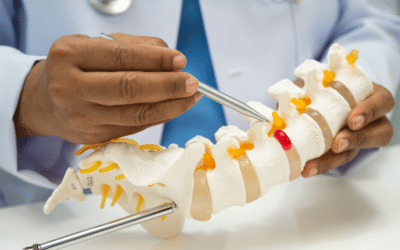
PRP For Bulging Disc: What It Can Do And Who May Benefit
Key Takeaways A bulging disc on an MRI does not automatically mean that the disc is causing the patient's pain, so diagnosis should come before PRP treatment. PRP for bulging disc is an emerging regenerative option with encouraging research, but evidence remains...
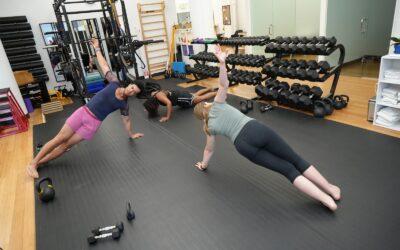
What Is A Boutique Gym? A Smarter Way To Train
Key Takeaways A boutique gym is a smaller, more specialized fitness space built around a focused and often more personalized training experience. Boutique gyms differ from traditional gyms by emphasizing quality of experience, specialized equipment, smaller membership...
PRP For Herniated Disc: Can It Support Back Pain Recovery?
Key Takeaways PRP for herniated disc is an emerging regenerative treatment with promising early evidence, but research is still developing. PRP does not mechanically push a disc back into place. Its proposed role is to influence inflammation, pain, and tissue-repair...
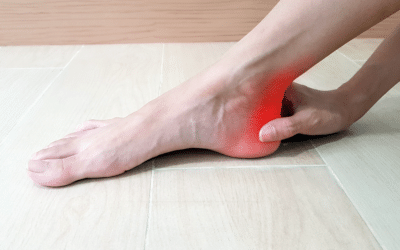
Strained Achilles Treatment: From Pain Relief To Stronger Movement
Key Takeaways Strained achilles treatment should move from reducing irritating load toward progressive calf strengthening and eventually full return to running or sport. Rest alone may calm symptoms but does not rebuild the tendon capacity needed for long-term...
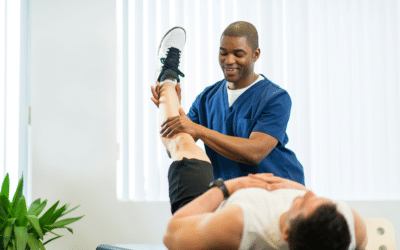
Runners Physical Therapy: More Than Treating Pain
Key Takeaways Runners physical therapy should address more than pain by looking at strength, gait, mobility, training load, and the runner's specific goals. Gait analysis can provide useful information about running mechanics, but it works best when combined with a...
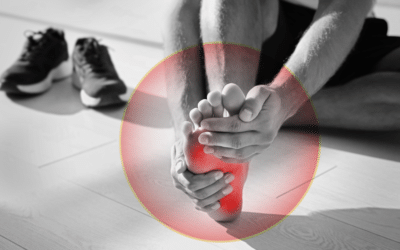
Foot Soft Tissue Injury: Symptoms, Treatment, And Recovery
Key Takeaways A foot soft tissue injury may involve ligaments, tendons, muscles, or fascia, and identifying the specific structure helps guide treatment. Early recovery often involves protection and symptom control, but long-term healing requires progressive movement,...
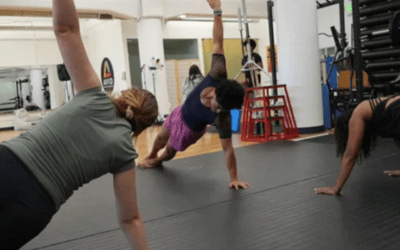
Avid Athlete Studio: Where Training, Recovery, And Performance Come Together
Key Takeaways Avid Athlete Studio combines a boutique gym environment with access to sports medicine, physical therapy, gait analysis, recovery services, and performance resources.The studio helps bridge the gap between rehabilitation and independent training, making...
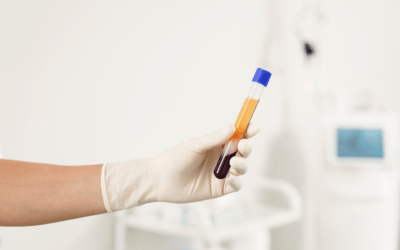
PRP Therapy: How It Supports Healing And Sports Injury Recovery
Key Takeaways PRP therapy uses a concentrated portion of a patient's own blood with the goal of supporting tissue repair in selected sports injuries and musculoskeletal conditions.PRP is not an instant cure. Improvement, when it occurs, typically develops over time...
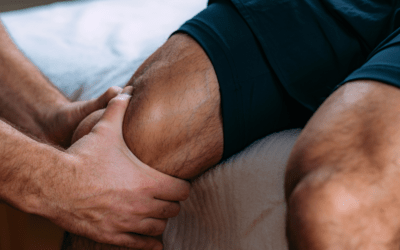
Physical Therapy For Knee Surgery
Key Takeaways Physical therapy for knee surgery helps restore motion, strength, walking, balance, and confidence after the procedure. Rehab should be specific to the type of knee surgery, surgeon instructions, healing timeline, and patient goals. Recovery usually...
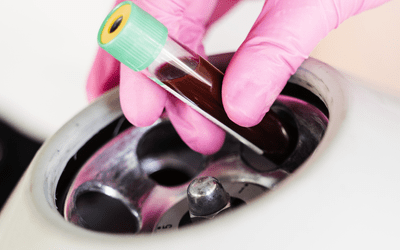
Injection Therapies: What They Do And When They May Help
Key Takeaways Injection therapies are not one-size-fits-all. The right option depends on the diagnosis, tissue involved, and treatment goal. Cortisone, PRP, hyaluronic acid, and regenerative options work differently and may be used for different joint, tendon, or soft...

Water Polo Injuries: Why They Happen And How To Recover
Key Takeaways Water polo injuries often come from a mix of overhead throwing, swimming volume, eggbeater kicking, contact, and fatigue. Common injury areas include the shoulder, head and face, hand and wrist, hip and groin, knee, and low back. Prevention should...

Common Hiking Injuries: What Hurts And How To Recover
Key Takeaways Common hiking injuries often involve the feet, ankles, knees, calves, hips, and back because trails demand endurance, balance, and repeated load. Blisters and ankle sprains are among the most commonly reported hiking injuries, but knee pain, heel pain,...