
Key Takeaways
- PRP therapy uses your body’s growth factors to accelerate healing naturally.
- Effective for chronic tendonitis, arthritis, muscle injuries, and joint pain.
- Provides lasting relief and function improvement without surgery or steroids.
If persistent pain from tendonitis, arthritis, or muscle strains has kept you from the activities you enjoy, traditional treatments might offer limited relief. Pain medications, physical therapy, and rest are valuable, yet sometimes your body needs a stronger push toward healing. Platelet-Rich Plasma (PRP) therapy gives that push by harnessing your body’s regenerative capabilities, delivering concentrated growth factors exactly where you need them.
Understanding PRP Therapy
Platelet-rich plasma therapy is a natural healing procedure derived entirely from your own blood. Platelets are powerful components within blood that contain growth factors essential for healing injured tissues. During PRP therapy, these platelets are isolated, concentrated, and reintroduced into the injury site, boosting your body’s own healing response.
Because PRP is derived from your body, there’s minimal risk of allergic reaction or rejection, making it a safer alternative compared to invasive surgery or long-term use of steroid medications.
Conditions Treated with PRP Therapy
PRP has shown significant promise in treating a variety of musculoskeletal conditions, especially those resistant to standard treatment methods:
- Chronic Tendonitis: Including tennis elbow, golfer’s elbow, Achilles tendonitis, rotator cuff injuries, and patellar tendonitis.
- Arthritis: Particularly osteoarthritis of the knee, hip, shoulder, and smaller joints.
- Ligament Injuries: Sprains and partial tears of ligaments such as the ACL or MCL.
- Muscle Strains: Including hamstring, calf, and quadriceps injuries.
- Joint Pain and Degeneration: Non-surgical relief for pain related to wear-and-tear conditions.
How PRP is Created
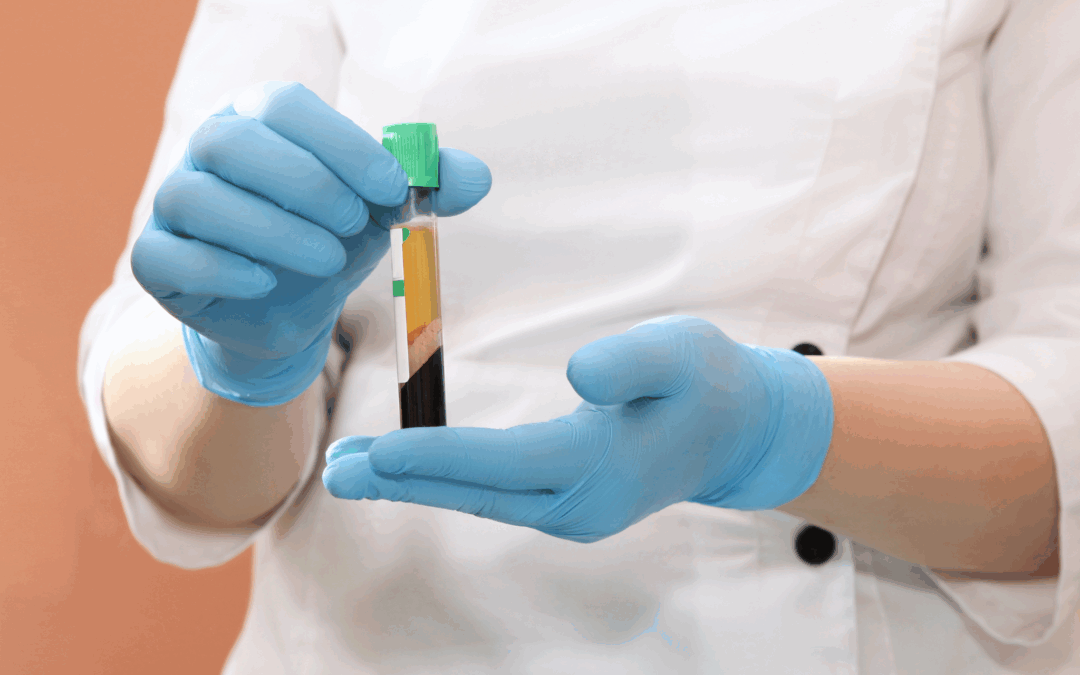
The PRP process begins with a straightforward blood draw, typically from your arm. This sample (around 30-60 milliliters) is placed into a centrifuge, a specialized device that spins rapidly to separate the blood components.
Through centrifugation, the platelets separate from red and white blood cells, forming a concentrated layer rich in healing elements. This platelet-rich portion is carefully extracted, forming a potent solution packed with growth factors and healing proteins.
The Growth Factors in PRP
Platelets contain numerous growth factors vital for tissue regeneration:
- Platelet-Derived Growth Factor (PDGF): Stimulates cell division, crucial for tissue regeneration.
- Transforming Growth Factor-Beta (TGF-β): Enhances collagen production, essential for tissue integrity.
- Vascular Endothelial Growth Factor (VEGF): Encourages the formation of new blood vessels, improving circulation and nutrient delivery.
- Fibroblast Growth Factor (FGF): Promotes new cell growth, accelerating tissue healing.
These natural compounds work collectively to stimulate healing, reduce inflammation, and restore function.
How PRP Therapy Accelerates Healing
When PRP is injected into damaged tissues, it triggers several important regenerative processes:
- Cell Recruitment: PRP attracts healing cells, such as fibroblasts and tenocytes, directly to the injury site.
- Collagen Production: It encourages the formation of stronger collagen fibers, essential for structural integrity and flexibility.
- Angiogenesis: PRP stimulates the formation of new blood vessels, significantly improving blood flow to injured tissues.
- Controlled Inflammation: PRP initiates a balanced inflammatory response that promotes remodeling without excessive scar tissue formation.
What to Expect During PRP Treatment
Before the Procedure
- Initial assessment typically involves ultrasound or MRI to pinpoint injury areas.
- Avoid anti-inflammatory medications (NSAIDs) a few days prior, as these may interfere with platelet function.
During the Procedure
- Blood is drawn and prepared in the clinic. Preparation takes approximately 10-15 minutes.
- Using ultrasound imaging for accuracy, your clinician injects the PRP into the affected area.
- Total procedure time is generally under an hour.
After the Procedure
- Expect mild swelling, soreness, or a feeling of heaviness for the first 48 hours.
- Acetaminophen and ice packs can help, though NSAIDs are usually avoided for two weeks.
Recovery and Rehabilitation After PRP
The success of PRP therapy relies heavily on structured rehabilitation. A well-planned rehab program maximizes your results by encouraging proper tissue alignment and strengthening:
- Week 1-2: Gentle movements, stretching, and isometric exercises prevent stiffness and encourage initial healing.
- Week 2-6: Begin progressive eccentric loading exercises, which gently stress the tissue to guide collagen restructuring.
- Months 2-6: Gradually reintroduce full activity, observing steady improvements over several months.
Who Benefits Most from PRP?
Platelet-Rich Plasma (PRP) therapy has emerged as a promising treatment option for a variety of musculoskeletal conditions, offering a natural and less invasive alternative to traditional interventions. PRP therapy is particularly suited for individuals who:
- Have chronic pain unresponsive to conventional therapies like rest, physical therapy, and NSAIDs. This group forms a significant portion of PRP candidates. Many patients endure persistent pain that has not improved despite extensive efforts with conservative treatments. This could include conditions like chronic tendinopathies (e.g., Achilles tendonitis, patellar tendonitis, tennis elbow, golfer’s elbow), osteoarthritis (especially mild to moderate cases in joints like the knee, hip, or shoulder), plantar fasciitis, and certain ligament sprains that fail to heal adequately. For these individuals, PRP offers a new avenue for healing by stimulating the body’s natural regenerative processes, potentially leading to long-term pain relief and improved function where other methods have fallen short.
- Want to avoid surgery or long-term reliance on medications. The desire to bypass surgical procedures, with their inherent risks, recovery times, and potential complications, is a strong motivator for many to consider PRP. Similarly, a growing number of patients are seeking alternatives to chronic medication use, particularly opioid pain relievers or even prolonged NSAID use, which can carry significant side effects. PRP provides a biologic solution that harnesses the body’s own healing mechanisms, reducing the need for foreign substances or invasive interventions. This makes it an attractive option for those who prefer a more holistic and less interventional approach to their health.
- Are active and wish to return swiftly to sports or physical activities. Athletes and physically active individuals often face unique challenges with injuries, as their livelihoods or quality of life depend on their ability to perform. Traditional treatments, while effective, can sometimes involve lengthy recovery periods that are unacceptable to those needing to return to their sport or activity quickly. PRP, by accelerating the healing process and promoting tissue regeneration, can significantly reduce downtime. For instance, athletes with hamstring strains, rotator cuff injuries, or knee ligament issues might find PRP an invaluable tool to aid in a faster and more robust recovery, allowing them to resume training and competition sooner with enhanced tissue strength and resilience. This group often prioritizes a rapid yet complete return to their peak physical condition.
Precautions and Potential Side Effects
While PRP therapy is safe for most, there are important considerations:
Candidates to Proceed with Caution:
- Patients with platelet dysfunction or bleeding disorders.
- Individuals with uncontrolled diabetes or compromised immune systems.
- Recent steroid injections (typically wait at least six weeks).
Possible Side Effects:
- Temporary soreness, swelling, and mild bruising (common and resolves quickly).
- Infection risk is extremely low (<1%).
- No current evidence links PRP injections to tendon ruptures.
Combining PRP with Other Treatments
PRP therapy is often integrated into broader, multidisciplinary treatment strategies to maximize its effectiveness and achieve more comprehensive and sustainable patient outcomes. This integrative approach acknowledges that musculoskeletal and regenerative medicine often benefits from a combination of modalities addressing different aspects of healing, rehabilitation, and long-term functional improvement.
Physical therapy plays a crucial role in post-PRP recovery. While PRP stimulates cellular regeneration, physical therapy focuses on restoring strength, flexibility, range of motion, and proper movement patterns. This often involves targeted exercises, stretching, and progressive loading protocols designed to support the newly regenerated tissues and prevent re-injury. The combination ensures that the biological healing initiated by PRP is complemented by mechanical and functional improvements, leading to a more robust and complete recovery.
Gait analysis, particularly for lower limb conditions, provides valuable insights into biomechanical inefficiencies that may contribute to injury or hinder recovery. By identifying abnormal walking or running patterns, therapists can develop corrective strategies that reduce undue stress on healing tissues. When combined with PRP, gait analysis helps address the root causes of musculoskeletal issues, preventing recurrence and optimizing the long-term success of the regenerative treatment. For example, if PRP is used for knee osteoarthritis, correcting a faulty gait pattern can significantly reduce the load on the knee joint, thereby preserving the newly stimulated cartilage regeneration.
Shockwave therapy (SWT) is another complementary modality often used with PRP. SWT delivers acoustic waves that promote neovascularization (formation of new blood vessels), stimulate cellular repair, and reduce pain. When used in conjunction with PRP, SWT can enhance blood flow to the treated area, potentially optimizing the delivery and activation of growth factors from the PRP. This combination is particularly beneficial for chronic tendinopathies or bone healing, where both regenerative stimulation and improved local circulation are critical.
Manual techniques, such as massage, mobilization, and manipulation, can prepare the tissue for PRP injection and facilitate post-injection healing. These techniques can reduce muscle guarding, improve tissue mobility, and decrease pain, creating a more conducive environment for the PRP to exert its regenerative effects. Post-PRP, manual therapy can help to prevent adhesions, improve lymphatic drainage, and guide the proper alignment of healing collagen fibers.
By carefully integrating PRP with these and other complementary methods, clinicians can create a holistic treatment plan that addresses both the biological need for tissue regeneration and the functional requirements for full recovery.
Ready to Explore PRP Therapy?
Chronic pain and stubborn injuries don’t need to dictate your lifestyle. PRP therapy offers a promising, scientifically backed treatment using your body’s natural healing power. If traditional methods have left you frustrated, PRP may provide the effective solution you need.
Book your personalized consultation at Avid Sports Medicine today, and discover how PRP therapy could help you return to an active, pain-free life.