
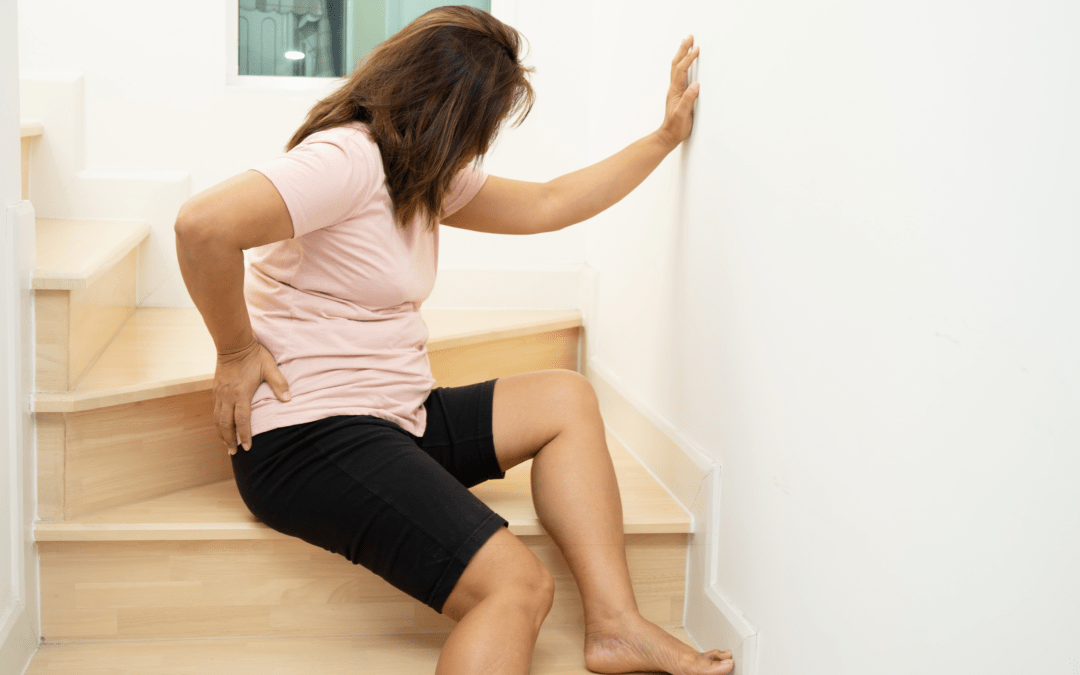
Hip pain in women is incredibly common, yet many women spend months or years trying stretches, injections, massages, or strengthening exercises without lasting relief.
One reason hip pain can become so persistent is because the hip rarely functions in isolation. The hip is deeply connected to the pelvis, low back, nervous system, fascia, breath mechanics, walking patterns, and even stress physiology. When we only focus on the site of pain itself, we can miss the bigger picture.
As a pelvic and orthopedic physical therapist, I often see women who have been told they have “tight hip flexors” but their symptoms are actually being driven by a combination of factors.
Here are some of the most common contributors to stubborn hip pain in women, and some treatment approaches that may help.
1. Gluteal Tendinopathy
One of the most common causes of persistent outer hip pain in women, especially during menopause, is gluteal tendinopathy. This is an irritation of the tendons of the gluteus medius and minimus muscles.
Symptoms often include:
- Pain on the outside of the hip
- Pain lying on one side
- Discomfort with walking, stairs, or standing
- Achy pain after activity
- Tenderness around the greater trochanter
Women are more susceptible due to pelvic anatomy, hormonal influences on connective tissue, and movement patterns that may increase compressive load through the lateral hip.
Treatment often includes:
- Progressive strength training
- Load modification
- Gait and movement retraining
- Pelvic stabilization work
- Improving hip control and capacity
It is important that this is treated specifically by a pelvic PT who understands how hormones influences tendons as gluteal tendinopathies often need to be addressed first with isometric exercises in closed chain for tendon healing, and then gradually progressed to more concentric and eccentric exercises in open chain. At Bodyful, we can guide you through these progressions in ways that are appropriate and specific for your body.
Some patients may also benefit from adjunct therapies such as shockwave therapy, which has emerging evidence for certain chronic tendinopathies and may help stimulate tissue healing and reduce pain sensitivity when combined with PT rehabilitation.
2. Hip Pain That Is From the Pelvic Floor
Many people do not realize the pelvic floor and hip muscles are intimately connected.
The pelvic floor shares fascial and muscular relationships with the deep hip rotators, obturator internus, piriformis, glutes, adductors, and abdominal wall. Sometimes persistent hip pain is partially driven by pelvic floor tension, guarding, or altered coordination.
This is especially common in women with:
- Pain with intercourse
- Endometriosis
- Chronic stress or nervous system dysregulation
- Chronic Constipation
- Tailbone pain
- Low back pain
- Urinary urgency or frequency
- History of trauma or abdominal/pelvic surgery
In these cases, simply strengthening the hip may not fully resolve symptoms if the nervous system and pelvic floor remain highly guarded.
Quality pelvic PT at Bodyful Physical Therapy to address this may include:
- Nervous system downregulation
- Breath and pressure management
- Gentle mobility work
- Pelvic floor coordination
- Manual therapy
- Movement retraining
- Somatic awareness practices
You may also consider EMTT therapy for hip pain which you can read more about here.
3. Labral Irritation and Hip Impingement
Femoroacetabular impingement (FAI) and labral irritation are increasingly recognized sources of hip pain, especially in active women and dancers.
Symptoms may include:
- Deep groin pain
- Pinching sensations
- Clicking or catching
- Pain with sitting or hip flexion
- Reduced hip mobility
However, imaging findings do not always correlate perfectly with symptoms. Many people have labral tears on MRI without pain.
This is why treatment should focus not only on structural findings but also on improving:
- Hip load tolerance
- Movement variability
- Core and pelvic coordination
- Strength
- Nervous system sensitivity
Many women improve significantly with conservative care and do not necessarily require surgery.
PRP can also have great results for labral irritation.
4. Nervous System Sensitization and Persistent Pain
Sometimes the tissues themselves are no longer the primary problem.
With longstanding pain, the nervous system can become more protective and sensitized. Pain may begin to spread, fluctuate, or feel disproportionate to tissue injury.
Women with persistent hip pain often describe:
- Symptoms that move around
- Increased pain during stress
- Muscle guarding
- Sensitivity to touch or pressure
- Pain despite “normal” imaging
This does not mean the pain is “all in your head.” It means the nervous system has become highly efficient at producing protection signals.
Treatment for this at Bodyful with a somatic pelvic PT can include:
- Graded exposure to movement
- Pain neuroscience education
- Sleep and stress support
- Breathwork
- Somatic approaches
- Progressive strengthening
- Building confidence and safety in movement again
A Multidisciplinary Approach
Persistent hip pain is often multifactorial, which is why a collaborative approach can be so valuable.
Depending on the individual, treatment may include:
- Physical therapy
- Pelvic floor therapy
- Strength training
- Shockwave therapy
- Manual therapy
- Medical evaluation
- Injection therapies
- Nervous system regulation strategies
- Lifestyle and recovery support
- Regenerative Medicine
The good news is that many women with chronic hip pain can improve significantly with a comprehensive approach that looks beyond the hip alone.
If you are dealing with persistent hip pain and have not tried comprehensive pelvic floor physical therapy reach out to Bodyful Physical Therapy today to book a free discovery or be assessed by a pelvic floor expert in Oakland, CA.
If you have not tried shockwave therapy, reach out to Avid Sports Medicine to learn more.