
Four Key Takeaways
- PRP can be effective because it uses your body’s own healing factors to stimulate tissue repair where recovery has stalled.
- It tends to work best for the right diagnoses, especially certain tendon and joint conditions, when paired with progressive rehab.
- Results often build over weeks, with many people noticing more meaningful change between weeks 4 and 12.
- Technique, diagnosis, and follow through determine outcomes more than hype.
If you have been dealing with a nagging injury long enough, you start to notice a pattern. The pain is not always dramatic. It is just persistent. It flares when you train. It quiets down when you rest. Then it comes right back the moment you try to build momentum again. Over time, that cycle can make you feel like your body is stuck in a loop.
That is usually when people start looking beyond quick fixes. They want something that supports real healing, not just temporary relief. That is where PRP therapy often enters the conversation.
PRP stands for platelet rich plasma, and it has become one of the most talked about regenerative treatments in sports medicine. Some people hear about it from athletes. Others hear about it from a friend who finally got relief after months of tendon pain. Many people come across it when they are searching for alternatives to repeated cortisone injections or surgery.
But the biggest question remains simple.
What makes PRP therapy so effective for some people?
The answer is not hype. The answer is that PRP is designed to work with your body’s healing biology. It is not a medication that masks pain. It is not a one size fits all solution. When PRP is used for the right condition, in the right tissue, with the right technique, and paired with the right rehab plan, it can help shift an injury out of the chronic stuck phase and into a true repair and remodeling phase.
What PRP Therapy Is, In Plain Language
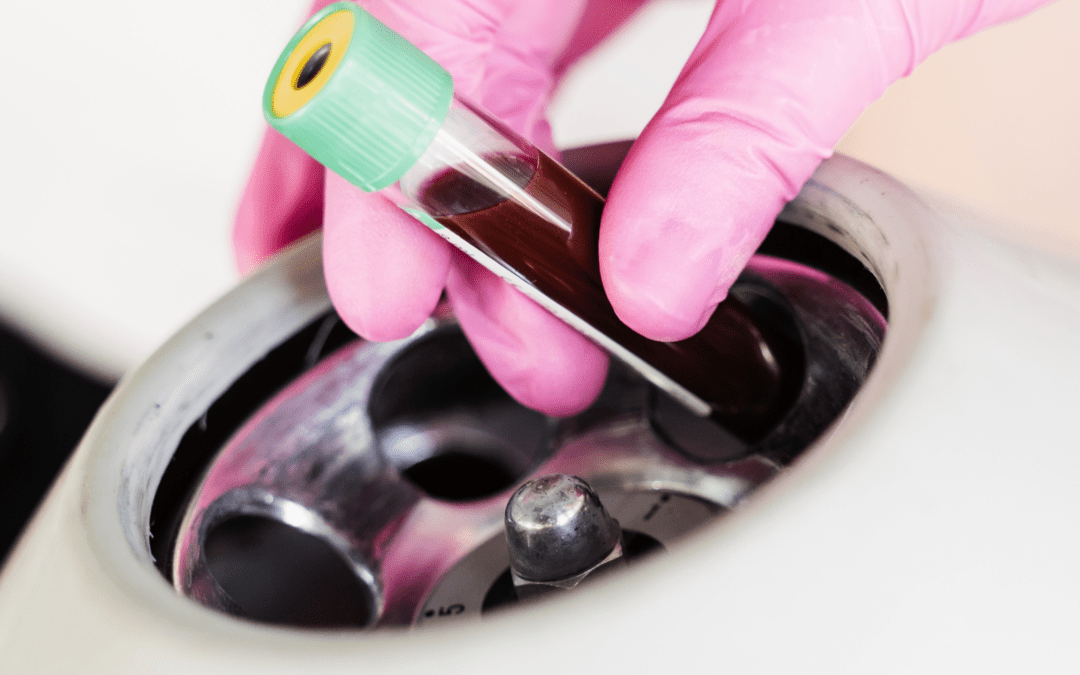
PRP is created from your own blood. A small blood draw is taken, then it is processed to concentrate platelets. Platelets are best known for clotting, but they also contain growth factors and signaling proteins that play a key role in healing and tissue repair.
When that concentrated platelet rich portion is injected into an injured area, the goal is to stimulate the body’s healing response in tissue that has not been repairing well on its own.
PRP is often used for certain tendon, ligament, muscle, and joint conditions, especially when symptoms have become persistent and load sensitive.
You can think of PRP as a biological nudge. It helps bring more healing signals to an area that has been stuck in a slow or incomplete recovery process.
Why Some Injuries Become Stubborn In The First Place
This is important, because PRP therapy is not a first step for every injury. It tends to be most useful when the natural healing process has stalled.
A lot of chronic pain issues are not truly “inflamed” in the way people assume. For example, chronic tendinopathy often involves tissue degeneration, disorganization, and poor collagen quality rather than classic inflammation.
That is why some people stretch, ice, and rest for months and still feel stuck. They may reduce symptoms temporarily, but the tissue capacity does not improve enough to handle real life load. The injury becomes a cycle, not a single event.
PRP is often considered because it can help reset that healing environment and support remodeling, especially when combined with progressive strengthening.
The Real Reason PRP Can Be So Effective
PRP works well when it matches the problem.
If your issue is a tissue that needs a stronger healing response, PRP can help by delivering a high concentration of your body’s own healing factors to the exact area that needs support.
But PRP is not magic. Its effectiveness comes from a combination of factors that are often overlooked.
It Uses Your Own Biology
Because PRP comes from your own blood, it is personalized by default. The growth factors and signaling molecules are part of your body’s natural repair system. That is one reason PRP is widely discussed in regenerative medicine circles. The goal is to support healing using the body’s own mechanisms.
It Targets The Tissue Directly
PRP is not a pill that circulates everywhere. It is delivered to the area of concern. That targeted approach is part of what makes it attractive for stubborn tendon and joint issues.
It Can Support Tissue Remodeling
When tissue has become disorganized or degenerative, the goal is not just calming pain. The goal is improving tissue quality and tolerance to load. PRP is often used because it is believed to help stimulate that remodeling response.
It Pairs Well With Rehab
PRP is not meant to replace physical therapy and strengthening. It often works best when rehab is done correctly, because tendons and ligaments need progressive loading to remodel.
PRP can help create the biological environment for change. Rehab teaches the tissue how to handle load again.
That combination is where many people see the biggest improvements.
What Conditions Does PRP Tend To Work Best For?
PRP is commonly used for certain musculoskeletal conditions, but it tends to have the strongest reputation in cases where tissue healing needs support, especially tendons.
Common examples include:
- Tennis elbow and golfer’s elbow
- Patellar tendinopathy
- Achilles tendinopathy
- Gluteal tendinopathy
- Some partial tendon injuries
- Some ligament sprains
- Certain joint issues including mild to moderate osteoarthritis in some cases
The key word is certain. A good clinician will not recommend PRP for everything. The best results usually come from matching PRP to the right diagnosis and the right stage of tissue irritation.
PRP Versus Cortisone, Why People Compare Them
Many patients ask about PRP compared to cortisone because both are injections. But they are not the same type of tool.
Cortisone is often used to reduce inflammation and pain. It can provide quick relief for some conditions. But it is not designed to stimulate tissue repair in the same way, and repeated steroid injections are not always ideal for tendon health.
PRP is typically positioned as a regenerative option. It is intended to support healing and tissue quality rather than only reducing symptoms.
The best choice depends on the condition, the tissue involved, and your goals. For some situations, symptom relief may be the priority. For others, tissue repair and long term resilience may be the priority.
What The PRP Timeline Usually Looks Like
This is where expectations matter. PRP is not usually a quick overnight fix. It is a biological healing process, so the timeline can feel slower at first, then more meaningful later.
Many people notice a few phases.
First Week: The Area May Feel Irritated
It is common to feel soreness after PRP, sometimes more soreness than you expected. That is not always a bad sign. It often reflects the intended healing response. You may be asked to modify activity during this period.
Weeks Two To Four: Early Shifts Begin
Some people begin noticing less pain, less stiffness, or better tolerance to daily life. Others feel subtle improvements but not a full change yet. This phase can vary.
Weeks Four To Twelve: The Bigger Changes Often Show Up
This is when many people notice more meaningful improvements. They can return to training with fewer flare ups, their tissue feels less reactive, and function improves.
This is why PRP is often described as a long game. It may take time, but the goal is durable change.
Why PRP Results Vary Between People
Two people can get PRP and have different outcomes. That does not mean PRP is inconsistent. It means outcomes depend on several variables.
The Diagnosis Must Be Right
PRP is most effective when used for the right condition. If pain is coming from a nerve issue, a joint instability issue, or a biomechanical driver that is not addressed, PRP alone may not solve it.
The Tissue Type Matters
Tendons, ligaments, and joints respond differently. Some tissues have slower remodeling timelines. Some conditions require more than one intervention.
The Technique Matters
Where the PRP is placed, how it is prepared, and how it is guided all influence results. Precision matters in regenerative medicine.
Rehab And Load Management Matter
If you return to the same overload pattern immediately, you can irritate the tissue again. PRP helps, but it does not replace a smart progressive loading plan.
Recovery Factors Matter
Sleep, stress, nutrition, and general health influence tissue repair. Healing is not separate from lifestyle.
What You Should Do After PRP To Get The Best Outcome
This is where many people either maximize results or accidentally stall them.
Follow the post procedure plan. That includes activity modification, pain management guidance, and the recommended timeline for returning to training.
Treat rehab as part of the treatment, not optional homework. The point is to rebuild tissue capacity.
Progress gradually. Many people flare because they feel a little better and jump too fast. PRP supports remodeling, and remodeling needs time.
Keep communication open. If something feels off or you are unsure, check in. The plan can be adjusted.
Does PRP Work For Everyone
No treatment works for everyone. But PRP can be highly effective when used for the right condition and paired with the right plan.
A good sports medicine team will screen whether you are a good candidate, explain what is realistic, and build a strategy that does not rely on one tool alone.
The goal is not to sell PRP. The goal is to get you better.
PRP Therapy At Avid Sports Medicine
At Avid Sports Medicine in San Francisco, PRP is not treated like a standalone magic injection. It is used as part of a comprehensive regenerative and rehab strategy tailored to your condition and goals. Our team starts with a thorough sports medicine evaluation to confirm the diagnosis and determine whether PRP is the right fit. We then pair the treatment with individualized physical therapy, movement assessment, and performance based strength programming designed to rebuild tissue capacity and reduce repeat flare ups.
For patients who need a broader regenerative plan, we can also discuss additional options, including stem cell based therapies when appropriate, always with a focus on safety, evidence informed decision making, and long term outcomes.
If you are tired of cycling through rest and flare, and you want a plan built for real healing and resilience, schedule an appointment with Avid Sports Medicine today and let’s map out the best next step.
FAQ
How long does PRP take to work?
Many people notice early changes within a few weeks, but more meaningful improvements often build over 4 to 12 weeks as the tissue remodels and strengthens.
How many PRP injections do you need?
It depends on the condition, severity, and response. Some people do well with one injection. Others may need a series. Your provider should guide this based on progress.
Does PRP hurt after the injection?
It can. Soreness and temporary increased discomfort are common in the first several days. That response is often part of the healing process.
What should I avoid after PRP?
Most plans involve avoiding high stress activity on the treated area for a short period, then gradually reintroducing load. Your post procedure plan matters.
Is PRP better than cortisone?
They are different tools. Cortisone is often used for symptom relief and inflammation reduction. PRP is often used to support healing and tissue remodeling. The best option depends on your diagnosis and goals.
Can PRP help arthritis?
In some cases, PRP is used for mild to moderate osteoarthritis and may help with pain and function. Whether it is appropriate depends on your joint condition and overall plan.
How do I know if PRP is right for me?
The best next step is a sports medicine evaluation that confirms the diagnosis, reviews your history, and determines whether PRP fits your injury type and goals.