
Key Takeaways
- A bulging disc on an MRI does not automatically mean that the disc is causing the patient’s pain, so diagnosis should come before PRP treatment.
- PRP for bulging disc is an emerging regenerative option with encouraging research, but evidence remains variable and treatment protocols are not yet standardized.
- PRP does not mechanically push a disc back into place. Its potential role is to influence pain, inflammation, and tissue-repair processes in carefully selected patients.
- Avid Sports Medicine combines physician-directed regenerative treatment with physical therapy, movement assessment, and progressive strength work to support a more complete recovery.
Finding out that you have a bulging disc can make back pain suddenly feel much more serious.
An MRI report may mention a disc bulge, degeneration, narrowing, or another structural change, and it is natural to assume that the image explains everything you are feeling. For some people, the bulging disc is relevant to their symptoms. For others, it may be only one part of the picture, and sometimes it may not be the main source of pain at all.
That distinction becomes especially important when considering a treatment such as platelet-rich plasma, or PRP.
PRP is a regenerative treatment made from a concentrated portion of the patient’s own blood. It has become well known in sports medicine for certain tendon and joint conditions, and researchers are also studying whether it may help selected patients with disc-related low back pain. Early results are promising, but PRP for bulging disc remains an evolving area of treatment rather than a universal solution for anyone whose MRI shows a disc change.
The most useful question, therefore, is not simply whether PRP can be injected around or into a spinal disc. The better question is whether the disc is truly contributing to your pain, whether conservative care has been given a fair chance, and whether PRP fits into a broader recovery plan designed to restore movement and function.
A Bulging Disc Is An MRI Finding, Not A Diagnosis By Itself
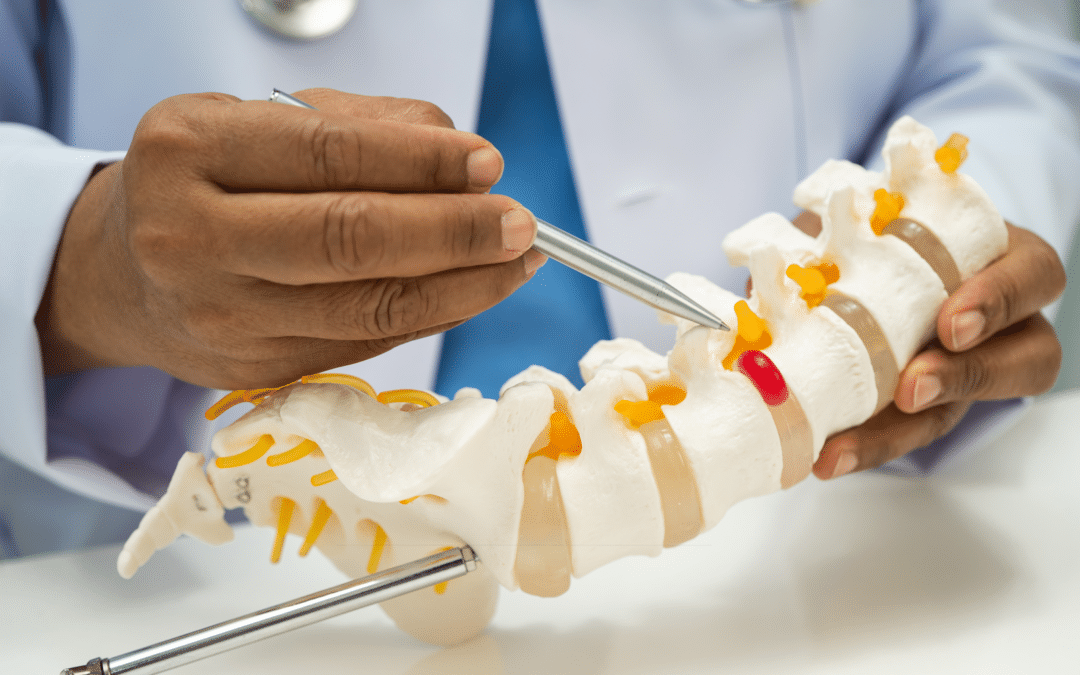
The discs between the vertebrae act as cushions that help the spine absorb load and move. Each disc contains an inner portion surrounded by a tougher outer layer. When the outer edge extends beyond its usual boundary, it may be described as a bulging disc.
The important point is that a bulging disc does not automatically equal back pain.
Disc changes become more common with age and can appear on imaging in people who have no significant symptoms. That means a clinician should not look at an MRI in isolation and immediately assume that the most noticeable finding must be the cause of the problem.
Instead, the imaging needs to be considered alongside the location of pain, the physical examination, neurological symptoms, movement tolerance, medical history, and how the symptoms behave throughout the day.
If sitting consistently increases deep low back pain, for example, the clinical picture may be different from someone who primarily develops leg symptoms with certain spinal positions. Likewise, someone with a small disc bulge but significant hip-related pain may need an entirely different treatment approach.
PRP therapy makes the most sense when there is a clear reason to believe that the targeted tissue is contributing to the symptoms.
Bulging Disc And Herniated Disc Are Not Exactly The Same
The terms "bulging disc" and "herniated disc" are sometimes used interchangeably, but they describe different patterns.
A bulging disc generally refers to a broader extension of the disc beyond its usual boundaries. A herniation tends to involve a more focal area where disc material pushes outward through a weakened portion of the outer disc.
Both can exist without symptoms, and both can sometimes contribute to pain.
The difference matters because a broad disc bulge that appears on an MRI may not require the same treatment as a more focal disc herniation irritating a nerve root.
Treatment should therefore be based on the patient’s clinical presentation rather than the terminology on the scan alone.
Disc Pain Can Feel Different From Nerve Pain
Another useful distinction is the difference between discogenic pain and radicular pain.
Discogenic pain refers to pain thought to originate primarily from the disc itself. It is often felt in the lower back and may sometimes spread into the buttocks or upper legs.
Radicular pain occurs when a spinal nerve becomes irritated or compressed. This may create pain traveling farther down the leg and can sometimes be accompanied by tingling, numbness, or weakness.
A person can also have both patterns at the same time.
This is important because PRP has been studied using different approaches for different types of spinal pain. Some research involves intradiscal injections, where the platelet-rich preparation is delivered into the disc. Other studies have evaluated epidural or targeted injections around structures associated with nerve-related pain.
These are different procedures intended for different clinical situations.
So Where Does PRP Fit?
PRP is prepared from the patient’s own blood.
A sample is collected and processed in a centrifuge to separate and concentrate platelets within the plasma. Platelets are best known for helping blood clot, but they also contain growth factors and signaling proteins involved in tissue repair and inflammatory processes.
For musculoskeletal injuries, PRP is used with the aim of concentrating these biological signals in a targeted area.
When PRP is discussed for disc-related back pain, the proposed goal is not simply temporary numbing. Researchers are investigating whether PRP can influence the biological environment within or around a degenerative or painful disc in a way that reduces symptoms and supports tissue function.
This makes PRP conceptually different from treatments whose primary purpose is short-term suppression of inflammation.
However, biologically interesting does not automatically mean clinically appropriate for everyone. The diagnosis and treatment target remain essential.
PRP Does Not Make A Bulging Disc Disappear
One of the most important expectations to set is what PRP is not intended to do. PRP does not physically push a bulging disc back into place.
It should also not be presented as a guaranteed method of regenerating a completely normal spinal disc.
The potential benefit is more subtle. Research is examining whether platelet-derived biological signals can reduce pain, influence inflammation, and potentially support repair processes in selected disc-related conditions.
Success should therefore be measured by function as well as anatomy.
If someone can sit comfortably again, return to strength training, sleep without persistent back pain, and gradually resume the activities they enjoy, those improvements may matter far more than whether an MRI looks dramatically different.
What Does The Research Say About PRP For Disc Pain?
PRP for discogenic low back pain has attracted increasing attention over the past several years, but the evidence needs to be interpreted carefully.
Earlier research was based on relatively small studies. One systematic review concluded that the available evidence for intradiscal biologic treatments, including PRP, was limited and of very low quality at the time, even though some patients reported meaningful pain and functional improvement.
More recent evidence has become somewhat more encouraging. A systematic review and meta-analysis of intradiscal regenerative therapies found that PRP and other biologic injections may provide improvement for chronic discogenic low back pain, but the authors still noted limited certainty and a shortage of high-quality studies.
Another recent meta-analysis of randomized controlled trials evaluating PRP for low back pain reported improvements in pain and disability overall, but results for discogenic pain were less consistent at later follow-up points. The authors specifically cautioned that differences between studies make broad conclusions difficult.
The practical takeaway is that PRP is promising, but it should not be marketed as established treatment for every bulging disc.
Why Research Results Can Be So Different
PRP is not one standardized product.
Different studies use different preparation systems, platelet concentrations, injection volumes, treatment schedules, and injection targets. Patients also differ in age, disc condition, duration of symptoms, previous treatments, and overall health.
Even the diagnosis of discogenic pain can vary between studies.
A recent systematic review specifically examining PRP preparation methods noted substantial variation in how PRP is produced and used in trials for chronic discogenic low back pain.
That variation makes it difficult to say that one PRP protocol will work the same way for every person.
This is another reason the conversation should be about whether PRP is appropriate for an individual patient rather than whether PRP "works" in the abstract.
When PRP May Enter The Treatment Plan
PRP is generally more reasonable to discuss when conservative treatment has not provided enough improvement and when the suspected pain source has been carefully evaluated.
A patient might have spent weeks or months working through physical therapy, activity modification, progressive strength training, medication guidance, or other nonsurgical treatment without achieving the level of improvement needed for daily life or exercise.
At that stage, a sports medicine physician may review the diagnosis, imaging, neurological findings, previous treatments, and goals before deciding whether an injection therapy deserves consideration.
The decision should not be based only on how long the pain has lasted.
Persistent pain can come from many structures, and injecting the disc will not solve a problem that is actually coming from somewhere else.
Conservative Care Still Matters
The possibility of PRP should not make physical therapy seem less important.
For many people with disc-related back pain, rehabilitation remains central to recovery because pain often changes how the body moves. Someone may stop bending normally, avoid using the hips, brace the spine during every movement, reduce exercise, or become afraid of activities that were previously comfortable.
Over time, this can reduce strength, endurance, and confidence.
Physical therapy can help restore controlled movement while building the trunk, hip, and lower-body capacity needed for everyday activities. The goal is not to make the spine perfectly rigid. It is to help the person become comfortable moving again.
Even when PRP is used, the body still needs rehabilitation.
The injection may target biological aspects of the painful tissue, while physical therapy addresses movement, strength, conditioning, and gradual return to normal loading.
Strength Training Does Not Have To Be The Enemy
Many people with a bulging disc become afraid of lifting weights.
That fear is understandable, particularly if the original pain started while lifting or bending. But avoiding resistance training indefinitely can leave the body weaker and less prepared for everyday demands.
A well-designed rehabilitation program introduces load gradually.
Early exercises may focus on comfortable movement, breathing, hip strength, trunk control, and basic resistance. As tolerance improves, the program can progress toward more meaningful strength work.
Eventually, the exercises should resemble the activities the patient wants to return to.
A parent may need to lift a child. An athlete may need to deadlift or sprint. A golfer needs rotation. A runner needs repetitive trunk and hip control. Someone working at a desk may need enough conditioning to sit and move through a long day without constant symptoms.
The goal is not simply to protect the spine forever. It is to prepare it for life again.
What If The Bulging Disc Is Irritating A Nerve?
When nerve symptoms are present, the treatment conversation changes.
Pain traveling into the leg, numbness, tingling, or weakness may suggest that a nerve root is involved. Some patients still improve with conservative treatment, but neurological symptoms deserve careful evaluation.
PRP has been studied in relation to lumbar radicular pain and disc herniation, and recent research has reported promising outcomes in some groups. For example, a 2025 meta-analysis involving 697 patients with lumbar disc herniation found reductions in pain and disability with PRP compared with control treatments at several follow-up points, although the authors emphasized the need for further research.
That does not mean PRP should automatically replace other injection approaches or surgical evaluation when neurological compromise is significant.
The severity and progression of symptoms matter.
When Back Symptoms Should Not Wait For PRP
Certain symptoms require prompt medical evaluation rather than routine regenerative treatment.
These include progressive muscle weakness, major sensory changes, or new problems with bladder or bowel control.
Severe symptoms after trauma also warrant medical assessment.
In these situations, the priority is determining whether significant nerve compression or another serious condition is present.
PRP is an elective treatment consideration. It should never delay evaluation of warning signs that may require a different level of care.
PRP And Steroid Injections Serve Different Purposes
Patients with spine pain may hear about both PRP and corticosteroid injections.
Corticosteroid injections are primarily used to reduce inflammation. When an irritated nerve is contributing to symptoms, an epidural steroid injection may sometimes be considered to reduce inflammation around that nerve and provide symptom relief.
PRP is being investigated from a different perspective. The treatment uses platelet-rich components from the patient’s own blood with the aim of influencing biological repair and inflammatory processes.
The difference is not simply that one treatment is "natural" and one is not.
They have different proposed mechanisms and different evidence bases.
The best choice depends on what is causing the symptoms and what the treatment is expected to accomplish.
How A Treatment Decision Should Be Made
Before considering PRP for bulging disc, it helps to answer several questions clearly:
- Is the bulging disc likely to be the main source of the symptoms?
- Has a structured period of conservative treatment been tried?
- Are symptoms primarily back pain, nerve pain, or a combination?
- Are there neurological findings that require another approach?
- What is the patient’s goal, and what would meaningful improvement look like?
These questions create a much better foundation for treatment than simply looking at the MRI report.
What Happens During PRP Treatment?
PRP treatment begins with drawing a small amount of the patient’s blood. The sample is then processed to concentrate the platelet-rich portion.
For spinal treatment, the next step depends heavily on what structure is being targeted.
An intradiscal injection requires accurate placement into the disc. Other procedures may target different spinal structures depending on the diagnosis.
Because the spine contains nerves, joints, discs, blood vessels, and other important structures within a relatively small area, precision and physician expertise are especially important.
Patients should understand what is being injected, where it is going, and why that structure has been selected.
Recovery Is Usually Gradual
PRP should not be approached as an instant back pain treatment.
Some patients may experience soreness after the procedure. Any improvement may develop gradually over the following weeks or months rather than immediately.
Earlier research on intradiscal PRP found that pain and disability improvements often became more noticeable at later follow-up rather than immediately after treatment.
During that period, the rehabilitation plan should progress alongside the biological recovery process.
Activity may initially need modification, but the long-term goal should usually be increasing movement and function rather than maintaining restrictions indefinitely.
Return To Exercise Should Have A Plan
When symptoms improve, people are often tempted to jump immediately back into their previous exercise routine.
That can create another setback.
A better progression usually begins with movements the person can tolerate consistently. From there, strength, resistance, range of motion, and activity duration can increase gradually.
Someone returning to running may begin with walking and basic strength before progressing to short running intervals.
A gym-goer may rebuild movement quality and resistance before returning to heavier lifting.
Someone returning to tennis or golf may need rotational strength and progressively faster movement before full play.
The treatment plan should eventually reflect the patient’s real life.
Why The Whole Person Still Matters
A bulging disc is one structure inside a much larger movement system.
Hip mobility can influence how someone bends. Trunk endurance can affect how long they tolerate activity. Leg strength changes how force is absorbed. Sleep, stress, conditioning, and fear of movement can also affect the recovery experience.
PRP cannot address all of those factors.
That is why regenerative medicine works best when it is integrated into a broader plan rather than treated as a stand-alone procedure.
An injection may target one tissue. Recovery involves the entire person.
PRP For Bulging Disc At Avid Sports Medicine
At Avid Sports Medicine in San Francisco, regenerative treatments are considered within a larger sports medicine and rehabilitation plan. The first priority is determining what is actually causing the pain and whether a bulging disc is clinically relevant rather than relying on an MRI finding alone.
When PRP is appropriate, the treatment can be combined with individualized physical therapy, therapeutic exercise, movement assessment, and progressive strength work designed around the patient’s symptoms and goals. This is particularly important for active adults and athletes who are not satisfied with simply becoming comfortable at rest and want to return to running, lifting, golf, court sports, hiking, or other demanding activities.
If persistent back pain associated with a bulging disc is limiting your activity and conservative treatment has not provided enough improvement, schedule an evaluation with Avid Sports Medicine. The team can help determine whether PRP belongs in your treatment plan and build a recovery strategy focused on better movement, greater strength, and a confident return to the activities that matter to you.
FAQ: PRP For Bulging Disc
Can PRP Help A Bulging Disc?
PRP is being studied for discogenic low back pain and other disc-related conditions. Research is promising for some patients, but the evidence is still evolving and PRP is not appropriate for every bulging disc.
Can PRP Make A Bulging Disc Go Away?
PRP should not be expected to physically push a bulging disc back into place. Its proposed role is to influence biological healing, inflammation, pain, and tissue function.
How Is PRP Used For Disc Pain?
PRP is prepared from the patient’s own blood and may be injected into a carefully selected spinal target, such as the disc, depending on the diagnosis.
Does A Bulging Disc Always Cause Back Pain?
No. Disc bulges can be present in people without symptoms, which is why imaging findings need to be interpreted alongside the examination and symptoms.
Is PRP Better Than A Steroid Injection?
The treatments work differently and may be used for different reasons. PRP is being studied for its regenerative effects, while corticosteroid injections primarily aim to reduce inflammation.
How Long Does PRP Take To Work For Back Pain?
PRP generally does not provide immediate relief. Improvement, when it occurs, may develop over several weeks or months.
Do I Need Physical Therapy After PRP?
Physical therapy is often an important part of recovery because it helps restore movement, strength, conditioning, and confidence even if PRP helps reduce symptoms.
Can I Exercise With A Bulging Disc?
Many people with disc-related symptoms can continue or gradually return to exercise, but the program should reflect symptoms, neurological findings, and current capacity.
Who Should Consider PRP For A Bulging Disc?
PRP may be considered for selected patients with persistent disc-related symptoms who have not improved enough with appropriate conservative care and who have a clear treatment target.
When Should I Seek Urgent Care For Disc Symptoms?
Progressive weakness, significant sensory loss, or new bladder or bowel problems require prompt medical evaluation rather than routine PRP treatment.