
Avid Sports Medicine Blog
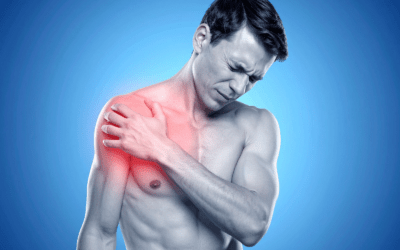
Rotator Cuff Injuries In Tennis Players: Causes, Fixes, And Return To Play
Key Takeaways Tennis shoulder pain often builds gradually from overload, especially with serving volume and fatigue. Most rotator cuff issues improve with smart load changes and progressive rehab, not just rest. The best rehab includes rotator cuff strength, scapular...
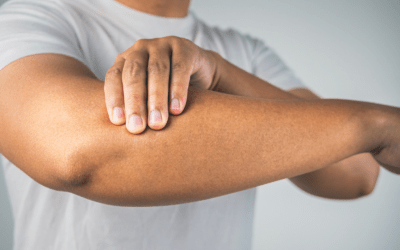
Golfer’s Elbow in Tennis Players: Causes and Fixes
Key takeaways Golfers elbow is common in tennis players and usually comes from tendon overload, not one single bad swing. The inside elbow gets stressed by gripping, spin, serving force, and equipment factors like string tension and racquet setup. The best fix is...
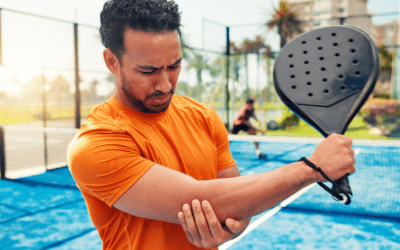
How to Fix Tennis Elbow: Pain Relief, Rehab, and a Strong Comeback
Key takeaways Tennis elbow is usually a tendon overload problem from repetitive gripping and wrist extension, not just a tennis injury. The best long term fix is progressive strengthening and smart load management, not only rest or stretching. Braces can help short...
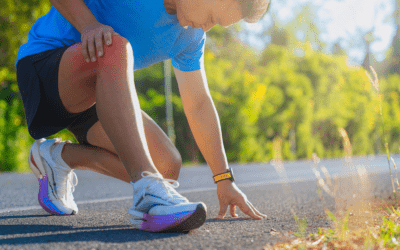
Runners Knee Causes, Fixes, and When to Get Help
Key takeaways: Front of knee pain from running is most often runner’s knee, also called patellofemoral pain syndrome. It usually flares from training load spikes plus strength or control gaps, not from one single bad run. Smart modifications plus consistent strength...
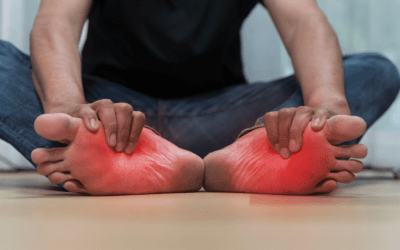
How To Fix Plantar Fasciitis As A Runner
Key takeaways Plantar fasciitis in runners is usually a load and capacity issue. It often flares when mileage, hills, or intensity increase faster than your foot can adapt. The best long term fix is strength. Calf endurance and foot muscle strength reduce strain on...
Dealing with Achilles Pain as a Runner
Key takeaways Achilles pain in runners is usually a load and capacity problem. It often flares when training increases faster than the tendon can adapt. Most Achilles issues respond best to progressive strengthening, not just rest or stretching. Calf strength and...
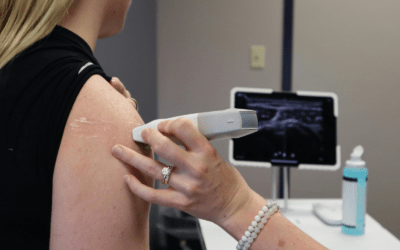
The Role of Ultrasound Guidance in Enhancing PRP Therapy Accuracy
Key takeaways PRP is technique sensitive, and accuracy matters. Ultrasound guidance helps place PRP in the exact tissue that needs support instead of relying on estimates. Ultrasound provides real time confirmation. It allows the clinician to visualize the target,...

Running for Beginners: How to Avoid Common Running Injuries from the Start
Key takeaways Most beginner running injuries come from doing too much too soon, not from being “bad at running.” Run walk intervals and truly easy runs help your body adapt while lowering stress on joints and tendons. Strength training for hips, calves, and core is...
Considering Stem Cell Therapy? How to Know If You’re a Good Candidate
Key takeaways Stem cell therapy can be a strong option, but it works best when the diagnosis is clear, the target tissue is appropriate, and expectations match what the treatment can realistically do. “Not right right now” often means the timing or foundation needs...
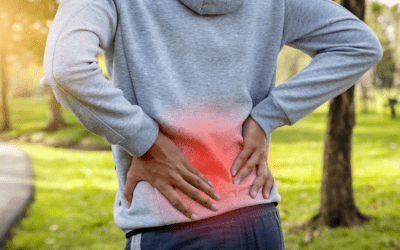
Why Lower Back Pain Happens in Golfers: Mechanics, Treatment & Recovery
Key takeaways Lower back pain in golfers is often a mechanics problem, not a damage problem. When hips or the upper back do not rotate well, the low back tends to compensate. Most flare ups start with a load spike. A golf trip, a sudden jump in range time, or swinging...

Why Pickleball Players Get Hurt: The Most Common Injuries and Why
Key Takeaways Pickleball injuries often arise from repetitive motion, sudden directional changes, and movement imbalances that place stress on joints and soft tissues. Shoulder, elbow, wrist, knee, and lower back pain are among the most common complaints because of...
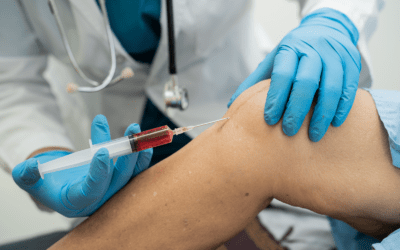
Post-Treatment Care: What You Should Do After Stem Cell Injection
Key takeaways The first 1 to 2 weeks matter. Protect the treated area, avoid “testing it,” and follow your provider’s medication guidelines. Rehab is part of the treatment. Gradual loading and movement re-training help turn short-term improvement into long-term...