
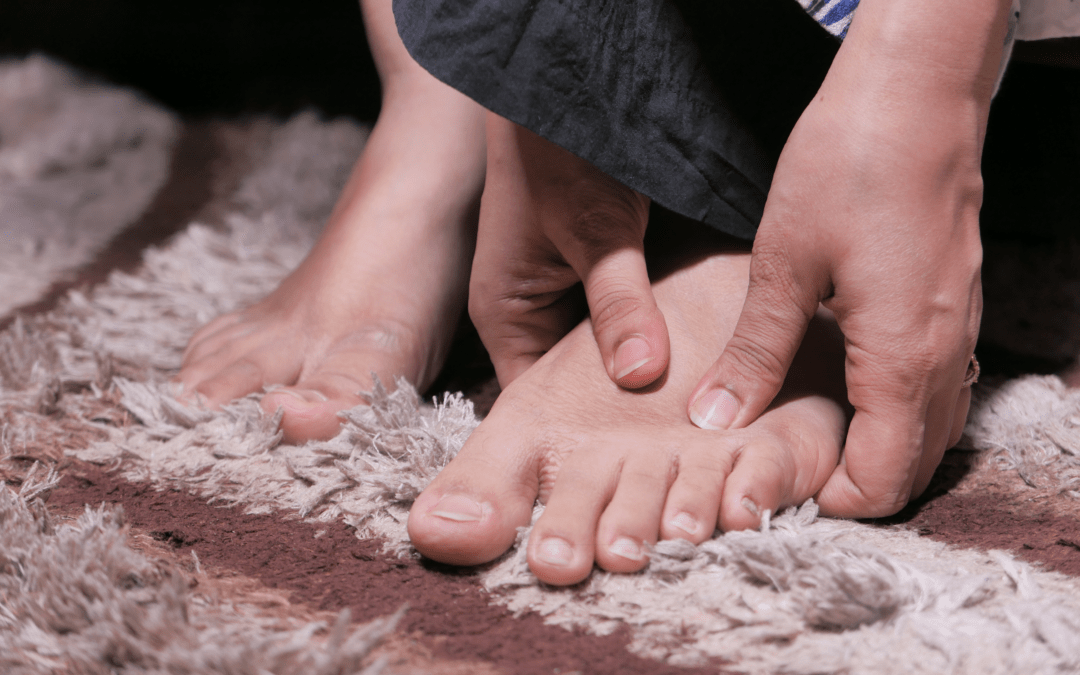
A foot injury can change your day immediately. You may step wrong off a curb, twist during a workout, land awkwardly during sport, or notice pain after a long walk that felt normal at the time. Suddenly, the foot feels sore, swollen, stiff, bruised, unstable, or hard to trust. Even if nothing looks dramatic, walking can feel different.
That is the challenge with soft tissue damage to foot structures. The bones may be fine, but the muscles, tendons, ligaments, fascia, or joint-supporting tissues can still be irritated or injured. Because the foot carries body weight with every step, even a mild soft tissue injury can feel limiting.
Soft tissue damage can happen from one sudden moment or from repeated stress over time. A sprain, strain, tendon irritation, fascia irritation, or deep bruise can all affect how the foot moves and how the rest of the body compensates. If the injury is not managed well, the pain may linger or lead to problems higher up the chain, including the ankle, knee, hip, or low back.
The goal is not only to make the foot hurt less. The goal is to restore load tolerance, strength, balance, mobility, and confidence so you can walk, train, and move without constantly protecting the area.
First, What Counts As Soft Tissue Damage In The Foot?
Soft tissue damage means the non-bone structures of the foot have been irritated, stretched, strained, bruised, or torn.
In the foot, this may involve ligaments, tendons, muscles, fascia, joint capsules, or connective tissue around the toes, arch, heel, midfoot, or ankle.
Ligaments support joints and help prevent excessive motion. A sprain happens when a ligament is stretched or injured.
Tendons connect muscles to bones and help move the foot and toes. Tendon injuries may involve irritation, strain, or tendinopathy.
Muscles help control the foot, toes, and arch. A strain happens when muscle fibers or the tendon connection are overstretched or injured.
Fascia supports tissue glide and force transfer. The plantar fascia under the foot is a common source of heel and arch pain.
Soft tissue damage can be mild, moderate, or severe. A mild injury may feel sore but improve quickly. A more significant injury may cause swelling, bruising, weakness, instability, or trouble bearing weight.
Why Foot Soft Tissue Injuries Are So Disruptive
The foot has a difficult job. It has to be flexible and stable at the same time.
When you walk, the foot adapts to the ground, absorbs impact, supports body weight, and helps push you forward. When you run or play sport, the forces increase. When you jump, cut, pivot, climb stairs, or walk on uneven ground, the foot has to react quickly.
That is why soft tissue damage to foot structures can affect more than the foot itself.
If the foot hurts, you may shorten your stride. You may avoid pushing off. You may roll weight toward the outside edge. You may walk with a limp. You may overload the opposite leg. These compensations can irritate the ankle, knee, hip, or back if they continue too long.
A good recovery plan helps the foot heal while also restoring the way the whole body moves.
Sudden Injury Or Overload? The Difference Matters
Soft tissue damage usually starts in one of two ways.
A sudden injury happens in a clear moment. You twist the foot, land awkwardly, slip, step into a hole, or collide during sport. Pain may show up immediately, and swelling or bruising may follow.
An overload injury builds gradually. You increase running mileage, wear different shoes, add more walking, return to sport after a break, start hill work, or spend long hours standing. The pain may begin as stiffness or soreness, then become harder to ignore.
Both patterns need attention, but the treatment approach may differ.
A sudden injury often needs early protection, swelling control, and assessment if weight-bearing is difficult.
An overload injury often needs load management, strength work, footwear review, gait assessment, and gradual progression.
Common Signs Of Soft Tissue Damage To Foot Structures
Soft tissue foot injuries can look and feel different depending on the tissue involved.
You may notice pain with walking or pushing off. The foot may swell after activity. Bruising may appear after a twist or impact. The arch, heel, top of the foot, midfoot, or toes may feel tender. You may feel stiffness first thing in the morning or after sitting. The foot may feel weak, unstable, or less responsive.
Some people feel sharp pain during certain movements. Others describe a dull ache that builds over the day.
The pain pattern matters. Pain under the heel is different from pain across the top of the foot. Pain near the toes is different from pain around the ankle. Pain after a sudden twist is different from pain that slowly appears after training changes.
That is why a detailed evaluation can help shorten the guessing stage.
Foot Sprains: Ligament Damage
A foot sprain happens when ligaments are stretched or injured. This can happen during a twist, fall, awkward landing, or sudden change of direction.
Foot sprains can involve the toes, midfoot, arch region, or joints near the ankle. Symptoms may include pain, swelling, bruising, tenderness, and difficulty putting weight through the foot.
A mild sprain may improve with relative rest and rehab. A more significant sprain may need immobilization, imaging, or a more structured recovery plan.
The important mistake to avoid is returning to full activity just because walking feels better. Ligaments help with stability. If balance, strength, and control are not restored, reinjury risk can stay high.
Tendon Irritation And Strain
Tendon irritation in the foot can happen from overuse or injury. Cleveland Clinic notes that foot tendonitis is often caused by overuse, though it can also result from injury, and that treatment may include rest, physical therapy, bracing, or other care depending on the case.
Tendon-related pain may show up around the top of the foot, inside of the ankle and arch, outside of the foot, or near the heel.
A tendon strain may feel like pulling, soreness, weakness, or pain with specific movements. For example, lifting the toes may bother tendons on the top of the foot. Pushing off may bother the Achilles or other foot tendons. Arch support demands may bother tendons that help control the foot.
Tendons usually need progressive strengthening. Rest may reduce symptoms temporarily, but the tendon has to regain the ability to handle walking, stairs, running, sport, or long standing.
Plantar Fascia And Arch Pain
The plantar fascia is a strong band of connective tissue under the foot. It helps support the arch and manage force during walking and running.
When this tissue becomes irritated, pain often appears near the heel or arch. It may be worse with first steps in the morning, after sitting, or after long periods on your feet.
Plantar fascia irritation is not always from one sudden injury. It often builds from repetitive load, calf stiffness, foot weakness, footwear changes, or sudden activity increases.
Treatment may include calf mobility, foot strengthening, load management, footwear guidance, and gait assessment.
Bruising And Impact Injuries
A direct impact can damage soft tissue without breaking a bone. This may happen after dropping something on the foot, landing hard, stepping on an uneven surface, or taking contact during sport.
The area may feel tender, swollen, bruised, and sensitive to pressure.
Most bruising improves with time and protection, but persistent pain, severe swelling, or difficulty bearing weight should be evaluated. Sometimes what seems like a bruise may involve deeper tissue injury or bone stress.
When Soft Tissue Damage Needs Medical Evaluation
Some foot pain can be managed with short-term modification and rehab. But certain signs deserve prompt evaluation.
Get assessed if you cannot bear weight comfortably, pain is severe, swelling is increasing, bruising is significant, the foot feels unstable, or symptoms followed a sudden twist or fall.
You should also seek care if there is numbness, tingling, weakness, visible deformity, pain that wakes you at night, or symptoms that do not improve after one to two weeks.
Imaging may be needed when a clinician wants to rule out fracture, tendon tear, ligament injury, cartilage injury, or other structural issues.Soft tissue injuries may require different treatment depending on type and severity, and that physical therapy is often part of treatment for sprains and strains.
The Early Phase: Protect Without Freezing The Foot
The first phase of recovery is about calming the injury.
This may include reducing painful activity, using compression if appropriate, elevating the foot, wearing supportive shoes, modifying walking, and avoiding movements that sharply increase pain.
For some injuries, a brace, boot, or temporary support may be recommended by a healthcare provider. For others, gentle movement is encouraged early.
The goal is to protect the tissue without creating unnecessary stiffness or weakness.
This is the balance that matters. Too much stress can keep the tissue irritated. Too much avoidance can reduce capacity.
The Middle Phase: Rebuild The Foot’s Support System
Once pain and swelling are improving, rehab usually becomes more active.
The foot needs strength. The calf needs endurance. The ankle needs mobility. The toes need control. The arch needs support. Balance needs to return.
This phase may include foot intrinsic strengthening, calf raises, resisted ankle movements, toe control drills, balance work, and gradual walking progression. The plan should be based on where the injury happened and what activity you need to return to.
Keeping foot and ankle muscles strong can help relieve pain, prevent further injury, and support lower-limb health and stability.
This is where many people stop too early. The foot may feel less painful, but that does not always mean it is ready for full mileage, court sports, long hikes, or impact.
The Final Phase: Return To Real Movement
The final phase should prepare the foot for real life.
Walking on flat ground is not the same as hiking. Standing at work is not the same as running. Cycling is not the same as pickleball. A pain-free hallway walk is not the same as a dance class, a tennis match, or a long travel day.
Return to activity should be gradual and specific.
A runner may need walk-run intervals before full running. A court sport athlete may need lateral movement and cutting drills. A dancer may need toe control, balance, and landing work. Someone on their feet all day may need endurance and footwear strategies.
This stage is where physical therapy becomes especially valuable because it helps bridge the gap between “the pain is better” and “my foot is ready.”
Why Foot Pain Comes Back After Rest
Recurring foot pain often means symptoms improved before the tissue regained capacity.
This is common.
You rest. The pain settles. You return to your normal shoes, normal walks, normal runs, normal workouts, or normal sport. Then the foot flares again.
The problem is not that rest did nothing. Rest reduced irritation. It just did not rebuild strength, balance, mobility, or load tolerance.
Long-term recovery requires progressive loading. The foot needs to be trained back into the demands of your life.
What Physical Therapy Can Do For Soft Tissue Foot Damage
Physical therapy can help identify why the injury happened and what needs to change for lasting recovery.
A therapist may assess gait, balance, ankle mobility, foot strength, calf strength, toe control, footwear, training volume, and sport-specific demands.
Treatment may include manual therapy when appropriate, mobility work, strength training, balance drills, gait retraining, and a gradual return-to-activity plan.
The benefit is specificity. Instead of treating every foot injury the same way, physical therapy can match the plan to the tissue, the stage of healing, and the activity goal.
How Avid Sports Medicine Supports Foot Recovery
Soft tissue damage to foot structures can be frustrating because every step reminds you something is wrong. At Avid Sports Medicine in San Francisco, we help active people understand what tissue may be involved, why symptoms are lingering, and how to return to movement safely.
Our team offers sports medicine evaluation, individualized physical therapy, gait and movement assessment, manual therapy when appropriate, footwear guidance, and performance-based strength programming. We look at the foot, ankle, calf, knee, hip, and the activities you want to get back to so your plan is specific and practical.
For stubborn tendon, joint, and soft tissue conditions, Avid Sports Medicine can also discuss regenerative options, including PRP and stem cell-based therapies when appropriate. Ready to stop protecting your foot with every step? Schedule an appointment with Avid Sports Medicine today and let’s build a recovery plan that helps you move with comfort, strength, and confidence.
FAQ: Soft Tissue Damage To Foot
What Is Soft Tissue Damage To The Foot?
Soft tissue damage to the foot means injury or irritation to structures such as ligaments, tendons, muscles, fascia, joint capsules, or connective tissue rather than bone.
What Does Soft Tissue Foot Damage Feel Like?
It may feel like pain, swelling, bruising, stiffness, tenderness, weakness, instability, or discomfort when walking, pushing off, standing, or wearing certain shoes.
Can Soft Tissue Damage Heal On Its Own?
Mild soft tissue injuries may improve with proper care, but persistent pain, swelling, instability, or trouble bearing weight should be evaluated.
How Is Soft Tissue Damage To The Foot Treated?
Treatment may include protection, activity modification, swelling control, physical therapy, mobility work, strengthening, balance training, footwear guidance, and gradual return to activity.
How Long Does Soft Tissue Foot Damage Take To Heal?
Healing depends on the tissue involved and severity. Mild injuries may improve in weeks, while more significant or chronic injuries may take longer with structured rehab.
Should I Walk On A Soft Tissue Foot Injury?
It depends on pain and severity. If walking causes limping, sharp pain, or worsening swelling, reduce weight-bearing and get evaluated.
When Should I See A Specialist?
See a specialist if pain lasts more than one to two weeks, follows a sudden injury, causes swelling or bruising, limits walking, or includes numbness, tingling, weakness, or instability.