
Avid Sports Medicine Blog

How Ballet, Pilates & Strength Training Reduce Injuries
Key Takeaways Cross-training with ballet, Pilates, and strength training builds better balance, control, and muscle coordination, reducing injury risk. Ballet improves posture, alignment, and body awareness, which directly supports safer movement patterns in sport....
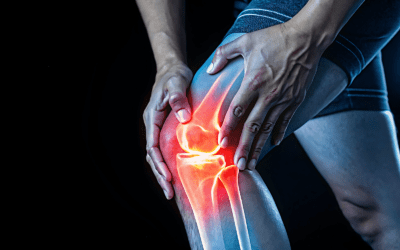
What Research Says About PRP for Tendons & Ligaments
Key Takeaways Research shows PRP can support healing in tendons and ligaments by stimulating the body’s natural repair process and reducing chronic inflammation. PRP tends to work best when combined with structured rehabilitation rather than used as a stand-alone...
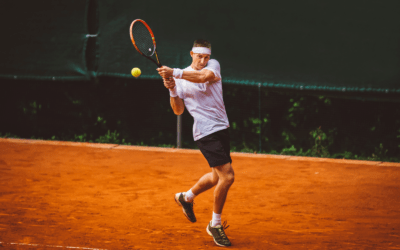
Tennis Footwork & Agility: Preventing Ankle and Achilles Injuries
Key Takeaways Ankle and Achilles injuries in tennis often develop from repetitive forces and inefficient footwork, not just one single misstep. Proper warm up, strength training, and movement drills improve agility while reducing stress on vulnerable tissues. Early...
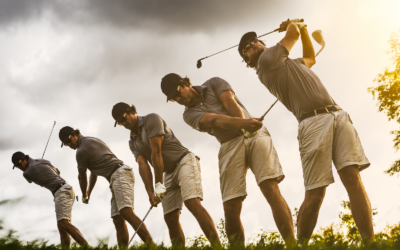
Biomechanics of the Golf Swing: Why Form Matters for Injury Avoidance
Key Takeaways Understanding and improving golf swing biomechanics helps distribute forces safely through muscles and joints, reducing injury risk and enhancing performance. Proper sequencing of movement from setup through follow through supports efficient power...
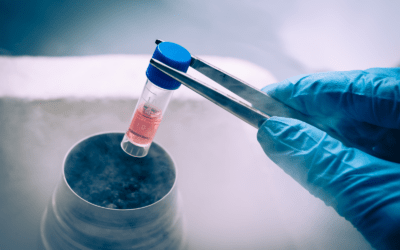
How Stem Cells Fit Into High-Performance Recovery
Key Takeaways Personalized medicine allows recovery plans to be tailored to each individual’s injury, goals, and movement patterns rather than using a one size fits all approach. Stem cell therapy supports the body’s natural healing process by reducing inflammation...
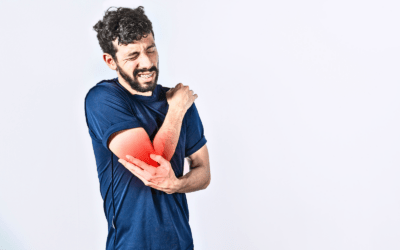
Overuse vs Acute Golf Injuries: Which Is Worse and What to Do
Key Takeaways Acute golf injuries happen suddenly and often follow a specific event, while overuse injuries develop gradually from repeated stress without enough recovery. Overuse injuries can be just as limiting as acute injuries because they often go unnoticed until...

Stem Cell Therapy vs Other Treatments: Choosing the Right Path
Key Takeaways Stem cell therapy offers a regenerative option that may support tissue repair and long term function, especially in early to moderate joint or soft tissue degeneration. Traditional treatments such as physical therapy, medications, injections, and surgery...
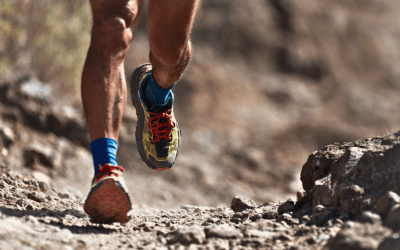
Trail Running Injuries: What Changes Compared to Road Running?
Key Takeaways Trail running changes how your body absorbs force due to uneven terrain, hills, and variable footing, which creates different injury patterns compared to road running. Common trail running injuries include ankle sprains, Achilles irritation, knee pain,...
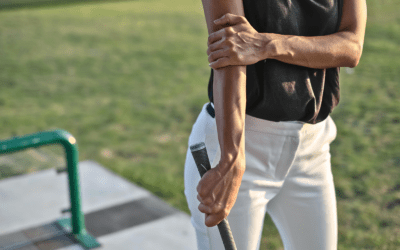
Elbow & Wrist Problems in Golf
Key Takeaways Elbow and wrist pain in golfers often comes from repeated stress, poor tissue tolerance, and subtle movement imbalances that build over time. Conditions like golfer’s elbow and tendonitis respond best to a combination of strengthening, mobility training,...
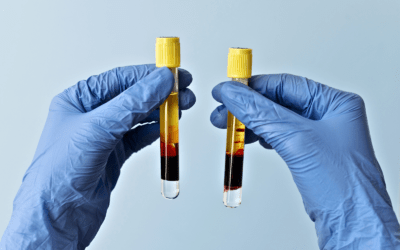
How PRP Works
Key Takeaways PRP uses your own platelets to deliver growth factors directly to injured tissue, triggering the body’s natural repair mechanisms. It works best for tendon injuries, early to moderate joint wear, ligament strains, or soft-tissue problems that have...
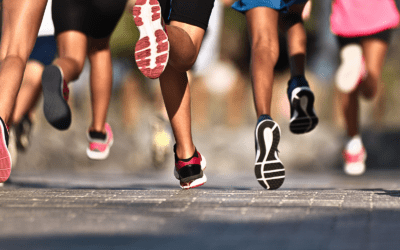
Stride & Cadence Mistakes That Lead to Running Injuries
Key Takeaways Many running injuries are caused by preventable stride and cadence habits. Small corrections can significantly reduce stress on the knees, hips, and shins. Strengthening the hips, glutes, and core helps maintain safer alignment and supports...
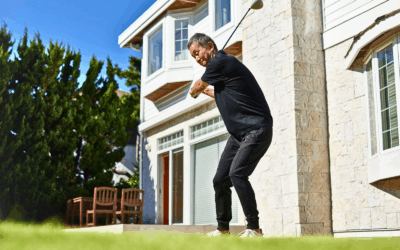
Hip and Knee Pain in Golf: What You Should Know
Four Key Takeaways Many cases of hip or knee pain in golfers stem from subtle imbalances not just wear and tear. Activating glutes, opening hip rotation, and doing joint stability drills before your round can significantly reduce discomfort over time. You don’t need...