
Avid Sports Medicine Blog
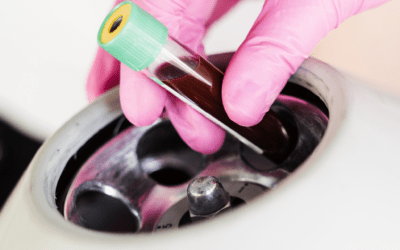
What Makes PRP Therapy So Effective?
Four Key Takeaways PRP can be effective because it uses your body’s own healing factors to stimulate tissue repair where recovery has stalled. It tends to work best for the right diagnoses, especially certain tendon and joint conditions, when paired with progressive...
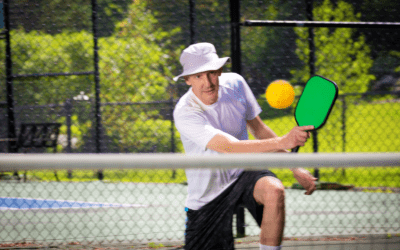
Overuse vs Acute Injuries in Pickleball: Understanding the Difference
Key Takeaways Acute injuries happen suddenly during one moment. Overuse injuries build gradually from repeated load. The right treatment depends on the type. Acute injuries often need protection early. Overuse injuries need smart loading and strength. The next day...
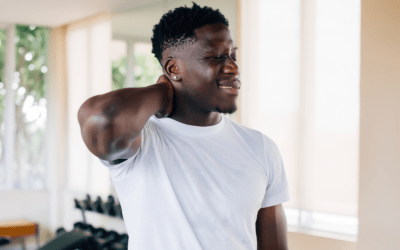
Neck Pain In Cyclists: Why It Happens And How To Fix It
Key Takeaways Cycling neck pain is often a posture endurance problem, not just a tight neck problem. Common drivers include too much weight on the hands, stiff thoracic spine, and weak scapular support. The best long term fix combines bike fit adjustments with upper...
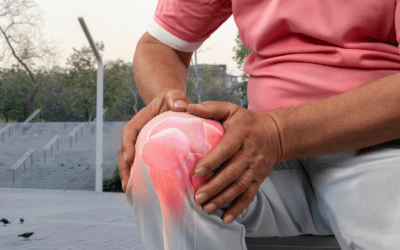
Anterior Knee Pain In Cyclists
Key Takeaways Anterior knee pain in cyclists is often caused by repetitive load plus small setup or training factors that add up. Low saddle height, forward saddle position, and big gear grinding commonly increase front knee stress. The best fix combines smart riding...
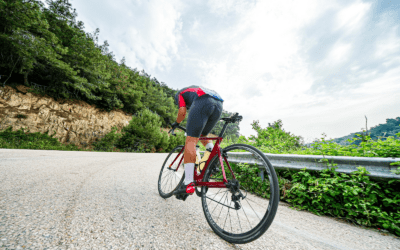
Low Back Pain In Cyclists
Four Key Takeaways Cycling back pain often comes from sustained posture plus fatigue, not one dramatic injury. Reach, drop, saddle setup, and trainer time can increase low back stress when position is too aggressive. Hip mobility, glute endurance, and core posture...
Shoulder Impingement And Rotator Cuff Pain
Key Takeaway Most shoulder impingement and rotator cuff pain is a load and control issue, not a sign your shoulder is broken. Overhead volume spikes, weak rotator cuff and scapular muscles, and thoracic stiffness commonly drive symptoms. The best rehab builds scapular...
Low Back Pain In Golfers
Four Key Takeaways Swing related low back pain often comes from the low back compensating for hip or thoracic limits and core control gaps. Common pain patterns include swaying, standing up through impact, and over arching in the finish. The most effective plan...
Pickleball Related Achilles Injuries: Causes, Treatment, And Prevention
Key Takeaways Pickleball loads the Achilles through repeated push offs, stops, and quick direction changes, especially with high volume play. Early signs like morning stiffness and post game ache are signals to adjust load before a bigger flare develops. The best...
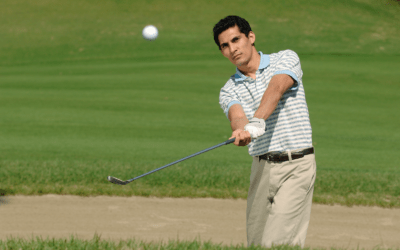
Golfer’s Elbow in Golfers: Why It Starts & What Helps
Key Takeaways Golfer’s elbow in golfers is usually a tendon capacity issue driven by gripping, wrist load, and practice volume. Tight grip and wrist dominant impact patterns can overload the inner elbow tendons, especially when fatigue sets in. The best recovery plan...
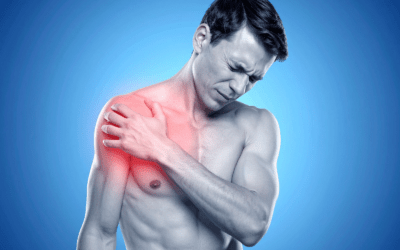
Rotator Cuff Injuries In Tennis Players: Causes, Fixes, And Return To Play
Key Takeaways Tennis shoulder pain often builds gradually from overload, especially with serving volume and fatigue. Most rotator cuff issues improve with smart load changes and progressive rehab, not just rest. The best rehab includes rotator cuff strength, scapular...
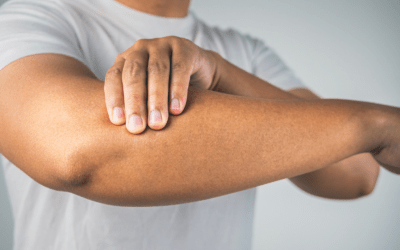
Golfer’s Elbow in Tennis Players: Causes and Fixes
Key takeaways Golfers elbow is common in tennis players and usually comes from tendon overload, not one single bad swing. The inside elbow gets stressed by gripping, spin, serving force, and equipment factors like string tension and racquet setup. The best fix is...
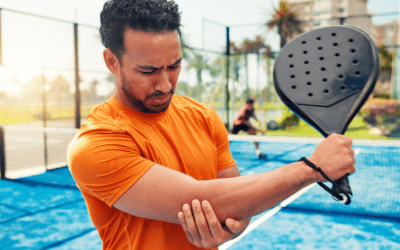
How to Fix Tennis Elbow: Pain Relief, Rehab, and a Strong Comeback
Key takeaways Tennis elbow is usually a tendon overload problem from repetitive gripping and wrist extension, not just a tennis injury. The best long term fix is progressive strengthening and smart load management, not only rest or stretching. Braces can help short...