
Key Takeaways
- Cross-training with ballet, Pilates, and strength training builds better balance, control, and muscle coordination, reducing injury risk.
- Ballet improves posture, alignment, and body awareness, which directly supports safer movement patterns in sport.
- Pilates strengthens deep stabilizing muscles, helping protect joints and improve overall movement efficiency.
At Avid Sports Medicine, we help active individuals build stronger, more resilient bodies through movement assessments, personalized strength programs, injury care, and regenerative treatments. Whether you are an athlete or simply committed to staying active, our team creates customized plans that support better movement, faster recovery, and long term performance.
Every athlete wants to stay healthy, perform at their best, and enjoy movement without pain or interruption. Whether you run, swim, cycle, or do group fitness classes, injuries can slow progress and dampen motivation. One of the most effective strategies for reducing the risk of injury is cross-training. By incorporating movement forms such as ballet, Pilates, and strength training into your routine, you can build resilience, correct imbalances, and improve movement quality in a way that directly supports your primary sport.
What Is Cross-Training and Why It Matters
Cross-training refers to incorporating multiple types of exercise into your fitness routine. Instead of focusing on a single activity repeatedly, cross-training engages different muscles, movement patterns, and physical capacities. This variety builds more balanced strength and reduces repetitive stress on the same structures.
For example, a runner may benefit from cycling or swimming because those activities strengthen the lower body and cardiovascular system without pounding on the joints. Similarly, a cyclist may add Pilates for core control or dance for coordination and balance.
Cross-training matters because many injuries arise from overuse and imbalance. Muscles and connective tissues that are strong in one plane of movement may be weak or underused in another. Over time this imbalance creates vulnerability.
By cross-training with modalities that emphasize control, alignment, and strength in multiple dimensions, you create a body that adapts more easily to stress and recovers more efficiently.
Why Ballet Is More Than an Art Form
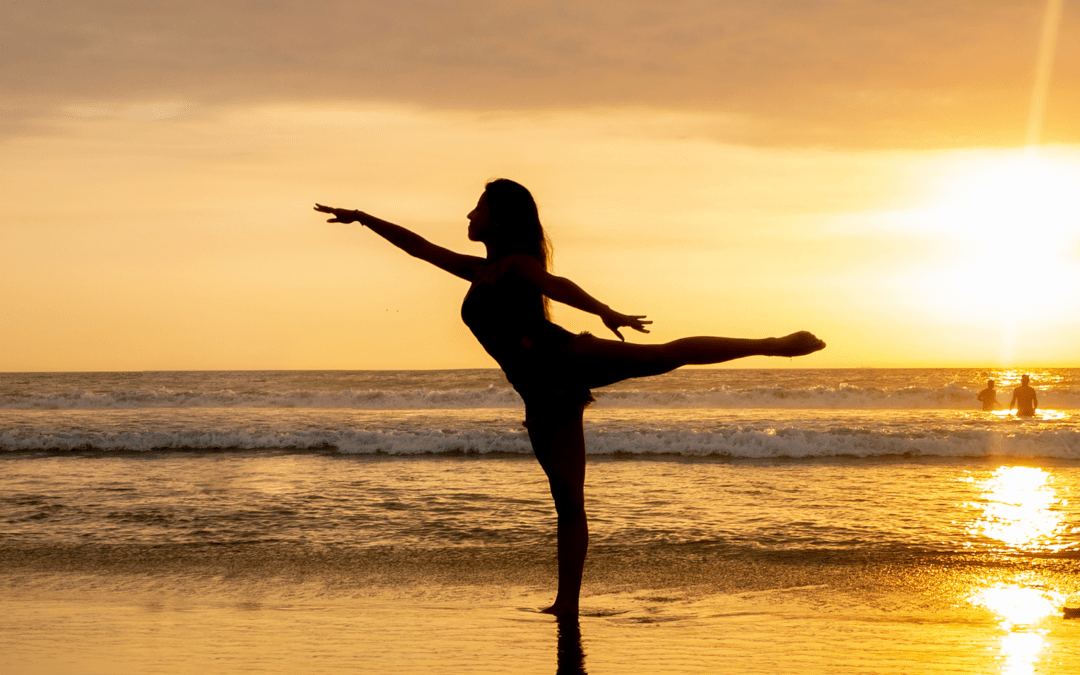
Ballet is often perceived as an artistic pursuit, yet its physical demands and benefits make it uniquely suited for injury prevention in athletes of all kinds. Ballet training emphasizes posture, balance, alignment, core control, and precise muscular recruitment. These elements translate directly into everyday movement and sport.
In ballet, dancers learn to maintain a neutral spine, engage their deep stabilizing muscles, and move with grace under control. This translates into improved body awareness and stability for other activities. For example:
- Better posture reduces undue strain on the back and neck
- Enhanced balance decreases the risk of ankle and knee injuries
- Control of the pelvis and hips improves movement patterns in running and jumping
- Integrated whole body coordination supports efficient mechanics in other sports
Even if someone never performs a pirouette or pointe work, the foundational elements of ballet can help retrain movement patterns that support better overall biomechanics.
The Role of Pilates in Supporting Strength and Mobility
Pilates is another cross-training modality that complements athletic performance by building core strength, improving mobility, and enhancing muscular coordination. It focuses on controlled movement, breath integration, and balanced strength across the body.
Pilates targets deep stabilizing muscles that often remain underdeveloped in traditional strength workouts. These muscles are crucial for maintaining joint alignment, supporting the spine, and stabilizing the pelvis. When the core and stabilizers are strong, movement becomes more efficient and less likely to overload vulnerable structures.
Key benefits of Pilates include:
- Enhanced core stability
- Improved pelvis and spinal alignment
- Better coordination between upper and lower body
- Increased flexibility in targeted areas
- Reduced compensation patterns
In athletes who rely heavily on one plane of motion, such as runners or cyclists, Pilates introduces variability in movement that reduces repetitive stress and strengthens supporting muscles.
How Strength Training Completes the Picture
Strength training is essential for building muscle mass, improving bone density, and enhancing functional power. Strength work also supports injury prevention by making muscles and connective tissues more resilient in response to stress.
Unlike isolation exercises that focus on individual muscles, functional strength training connects multiple muscle groups so they work together as a unit. This mirrors real movement patterns seen in sports and daily life, such as squatting, lifting, pushing, and pulling.
Some key strength training benefits include:
- Improved joint stability
- Greater control during acceleration and deceleration
- Enhanced muscular endurance
- Reduced onset of fatigue related microtears
- Better resilience against impact and load
When strength training is combined with modalities like ballet and Pilates, the results are synergistic. Ballet and Pilates help refine movement quality and control. Strength training adds resilience and power. Together they create a stronger, more adaptable body.
How Cross-Training Reduces Specific Injury Risks
To understand why cross-training is so effective for injury prevention, it helps to look at how it targets common weaknesses and compensations.
Imbalances Between Muscle Groups
Many people develop strength imbalances without realizing it. For example, if your quads are much stronger than your glutes and hamstrings, your knee joint may experience uneven forces during activity. Over time this imbalance may contribute to anterior knee pain or overuse injuries.
Ballet and Pilates help develop coordinated strength across muscle groups, while strength training allows you to target weaker muscles with resistance work that brings balance and stability.
Limited Mobility That Causes Compensation
Restricted mobility in the hips or thoracic spine can force other areas such as the lower back or shoulders to compensate. These compensations contribute to stiff joints, pain, and eventual injury.
Cross-training sessions that include mobility drills from dance and Pilates help address these restrictions and encourage efficient movement through full ranges of motion.
Repetitive Impact and Overuse
Athletes who train the same muscles over and over are at risk of overuse injuries. Runners, cyclists, swimmers, and lifters can all fall into this pattern if they do not vary their training.
Cross-training introduces different movement patterns and load types, reducing repetitive strain and giving tissues time to recover while still staying active.
Practical Examples of Cross-Training Benefits
It helps to see how cross-training applies in real life. Consider the following situations:
Example 1: The Runner with Tight Hip Flexors
A runner may have strong legs but limited hip mobility. This can lead to a forward lean during the run, placing extra strain on the lower back and hamstring muscles. Adding Pilates and ballet inspired mobility drills teaches the runner how to maintain hip extension, improve pelvic alignment, and reduce lower back stress.
Over time this translates into better running form, fewer hiccups in stride mechanics, and less pain after long runs.
Example 2: The Tennis Player With Shoulder Strain
A tennis player may develop dominant strength on one side of the body that leads to shoulder irritation. By incorporating Pilates and functional strength training, the athlete builds balanced musculature around the shoulder girdle, enhances scapular stability, and improves rotational control. These improvements reduce strain during serves and overhead shots.
Example 3: The Weekend Warrior With Knee Pain
Someone who plays recreational sports only on weekends may experience knee pain due to lack of strength and coordination in supporting muscles. A ballet inspired program helps improve alignment and balance, Pilates builds core and hip stability, and strength training adds resilience to muscles that support the knee. Together these improvements significantly reduce pain and improve confidence in movement.
How to Integrate Ballet, Pilates, and Strength Training
The key to effective cross-training is balance. Too much focus on one modality can create fatigue or overuse on its own. Here is a practical approach to integration:
Weekly Structure Example
Day 1: Strength training with focus on lower body and core
Day 2: Pilates session emphasizing mobility and stability
Day 3: Active recovery or light aerobic work
Day 4: Ballet inspired class or drills focusing on alignment and control
Day 5: Strength training with emphasis on upper body and stability
Day 6: Cross-training activity such as cycling or swimming
Day 7: Rest and recovery
This approach ensures you get strength work, mobility and stability training, movement variety, and adequate rest.
Tips for Beginners
Starting a cross-training routine can feel overwhelming, especially if you have a busy schedule. Here are some simple ways to ease into it:
- Start with one or two sessions per week
- Choose classes or sessions that focus on fundamentals
- Communicate your goals with your instructor
- Prioritize form and control over intensity
- Record your progress and how your body feels over time
- Give yourself permission to adapt and adjust
Cross-training is most effective when it feels manageable and aligns with your overall lifestyle.
What to Expect From Ballet and Pilates Sessions
If you are new to ballet or Pilates, expect an emphasis on body awareness, control, and alignment. Ballet inspired sessions often focus on:
- Balance and foot stability
- Posture and spinal alignment
- Controlled leg lifts and transitions
- Slow, precise movement
Pilates classes emphasize:
- Core engagement
- Breath coordination
- Symmetrical movement
- Functional strength through midline stabilization
Both modalities encourage you to think about how your body moves rather than simply how fast or how much you can lift.
When to See a Professional
If pain persists or if you have recurring injuries despite cross-training, it may be time to seek professional guidance. Avid Sports Medicine offers comprehensive evaluation to identify movement limitations, strength imbalances, and biomechanical faults. A clinician can help tailor a cross-training program that addresses your specific needs and goals.
Signs that professional input may help include:
- Persistent pain that interferes with activity
- Frequent compensatory patterns during movement
- Uneven or asymmetrical muscle development
- Difficulty progressing despite consistent training
- History of injury that has not fully resolved
Working with a clinician ensures that your cross-training builds capacity without creating new issues.
Recovery and Injury Prevention Strategies
Cross-training helps build resilience, but recovery is equally important. Good recovery practices include:
- Prioritizing sleep
- Staying hydrated
- Incorporating gentle stretching
- Using foam rollers or massage tools
- Balancing intensity across workouts
- Scheduling regular rest days
Recovery supports tissue adaptation and reduces chronic inflammation that can accompany high training loads.
The Role of Nutrition
Nutrition plays a key role in supporting recovery and injury prevention. Eating a balanced diet with a mix of protein, carbohydrates, healthy fats, and micronutrients supports muscle repair and energy production. Some nutritional considerations include:
- Adequate protein for tissue repair
- Anti-inflammatory foods such as fruits and vegetables
- Hydration for joint and muscle function
- Balanced carbohydrates for sustained energy
A well-rounded nutritional approach complements your cross-training efforts.
Tracking Progress Over Time
One of the most rewarding aspects of cross-training is seeing improvement over time. Keeping a training journal that includes:
- Your workouts
- How your body feels
- Any pain or discomfort
- Improvements in balance or strength
- Personal goals
This information helps you and your clinician see patterns and adjust your program effectively.
Take Your Training Further With Avid Sports Medicine
If you are ready to enhance your training, reduce injury risk, or move with greater confidence and stability, Avid Sports Medicine can help. Our team provides movement assessments, individualized strength and mobility programs, cross-training guidance, and expert care tailored to your goals.
Schedule a consultation with Avid Sports Medicine to explore how dance based cross-training, Pilates, and strength training can support your long term performance and injury prevention. Your body has remarkable potential for adaptation and resilience. We are here to help you unlock it.