
Key takeaways
- Tennis elbow is usually a tendon overload problem from repetitive gripping and wrist extension, not just a tennis injury.
- The best long term fix is progressive strengthening and smart load management, not only rest or stretching.
- Braces can help short term during aggravating activities, but rehab is what rebuilds tendon capacity.
Avid Sports Medicine offers sports medicine evaluation, personalized physical therapy, and performance focused strength programming to treat tennis elbow and prevent repeat flare ups. For stubborn cases, we can also discuss regenerative treatment options when appropriate, always paired with a structured rehab plan that supports long term tendon health.
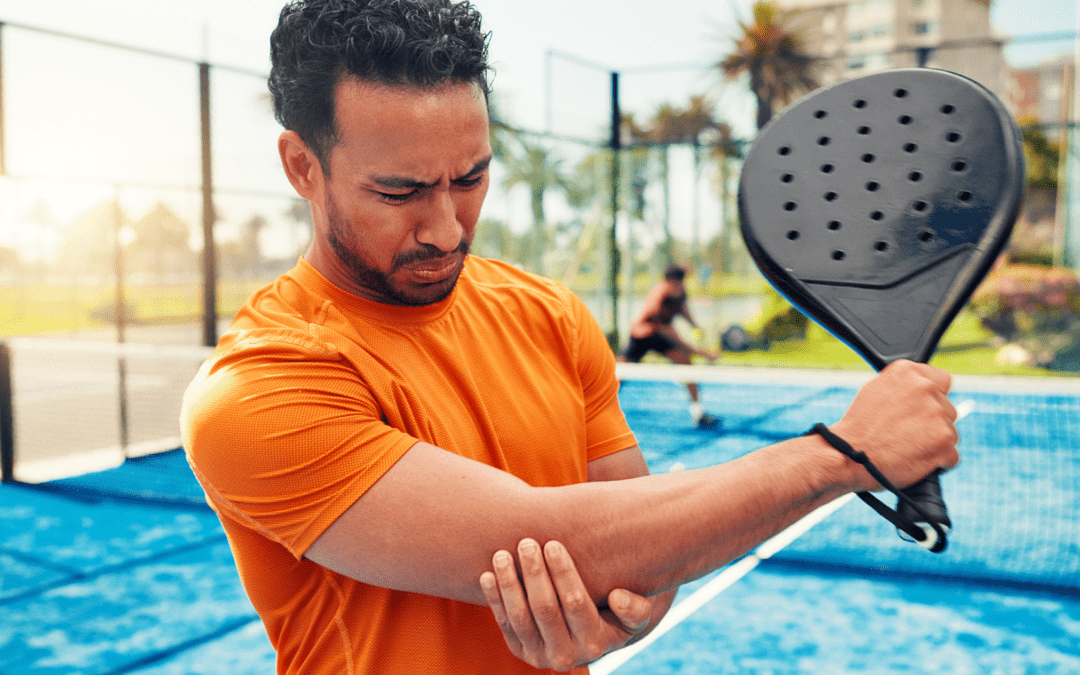
Tennis elbow has a misleading name. You do not need to pick up a racquet to get it. In fact, many people with tennis elbow have never played tennis once. It shows up after weeks of repetitive gripping, lifting, typing, drilling, gardening, parenting, or training. One day you notice a nagging ache on the outside of the elbow. Then simple tasks start to sting, like turning a doorknob, lifting a pan, shaking hands, or holding a coffee cup.
The frustrating part is how sneaky it can be. It often starts mild, and because you can still “do everything,” you keep going. Then it ramps up. Grip gets weaker. The forearm feels tight. Your elbow becomes the boss of your day.
The good news is that tennis elbow is very treatable. Most cases improve with the right combination of load management, targeted rehab, and a gradual return to strength. This is not about babying your arm forever. It is about rebuilding capacity so your tendon can tolerate the life you want to live.
What Is Tennis Elbow
Tennis elbow is the common term for lateral epicondylitis, a condition involving pain on the outside of the elbow where the forearm extensor tendons attach. These tendons help lift your wrist and stabilize your grip. With repetitive use, the tendon tissue can become irritated and painful.
Despite the “itis” name, many experts now describe it more like a tendon overload or degeneration issue rather than a pure inflammation problem, especially when it has been around for a while. That matters because it explains why the best solutions are often progressive strengthening and smarter loading, not just rest and anti inflammatory strategies.
How Do You Know If You Have Tennis Elbow
Most people describe a few classic signs.
You feel pain or tenderness on the outside bony area of the elbow. It often radiates down the forearm. Gripping, lifting, twisting, or shaking hands tends to make it worse. You may notice your grip feels weaker than usual, even if your biceps feel strong.
A simple home clue is this: if lifting your wrist back against light resistance reproduces that outer elbow pain, tennis elbow becomes more likely. But there are other conditions that can mimic it, including neck related nerve irritation or radial tunnel syndrome, so if symptoms persist or feel unusual, an assessment is worth it.
What Is The Main Cause Of Tennis Elbow
The main cause is repetitive stress to the forearm extensor tendons, especially activities that involve repeated gripping and wrist extension. It can come from sports, work, hobbies, or a sudden spike in training or manual tasks.
Common triggers include:
- A sudden increase in racquet sports, weight training, or climbing
- Doing more pulling movements than your forearm can handle
- Lots of tool work like drilling, hammering, painting, or cutting
- Long periods of typing or mouse use combined with gripping workouts
- Repetitive lifting with the wrist bent back
Often it is not one single activity. It is the total load on the tendon over time, plus recovery that is not keeping up.
What Worsens Tennis Elbow
Tennis elbow tends to worsen when you keep feeding it the same irritant, especially in the early phase.
Common “fuel to the fire” patterns include:
- Repetitive gripping with a straight arm and extended wrist
- Heavy lifts where the wrist is cocked back, like deadlifts without wrist control
- Pull ups, rows, and carries when your forearm is already irritated
- Racquet sports with lots of late contact or poor technique
- Long sessions without breaks, even if the load is light
- Doing only stretching or massage, but not rebuilding strength
It can also worsen when you stop using the arm completely for weeks. The tendon loses capacity, then flares again the moment you return to normal life. The goal is usually relative rest and smart rehab, not total shutdown.
What Not To Do With Tennis Elbow
This is the part most people need. Not because they are doing something “wrong,” but because they are doing what seems logical and accidentally keeping it going.
Avoid pushing through sharp pain, especially if it lingers into the next day. Tendons respond to load, but they respond best when the load is appropriate.
Avoid aggressive gripping workouts when symptoms are hot. That includes high volume pull ups, heavy farmers carries, or long dead hangs.
Avoid stretching hard into pain on day one. Gentle mobility can feel good, but cranking on a painful tendon can irritate it.
Avoid relying only on a brace or only on pain medication. Those can help short term, but they do not rebuild tendon capacity.
Avoid making it all about the elbow. Shoulder strength, wrist mechanics, and even neck and upper back posture can influence tendon load.
What Is The Best Cure For Tennis Elbow
There is not one magic cure. The best “cure” is a plan that reduces the irritating load and then progressively strengthens the tendon so it can tolerate life again. That is why physical therapy is often a core part of treatment when home strategies are not enough.
Most evidence based approaches include:
- Activity modification to calm symptoms
- Progressive strengthening, especially for wrist extensors and grip
- Gradual return to sport or lifting
- Technique and ergonomic adjustments where needed
- Many people improve within a few months of non surgical treatment.
- Should you rest tennis elbow or keep using it
The best answer is usually: keep using it, but change the way you load it.
Complete rest can reduce pain short term, but it often leads to deconditioning. Then you return to activity and flare again. Tendons usually do best with relative rest, meaning you reduce the painful triggers, keep movement, and start a strength plan that is scaled to what you can tolerate.
A helpful guideline is the 24 hour check. If an activity causes pain that spikes and stays worse the next day, it was too much. If discomfort is mild during activity and settles within 24 hours, that load is usually workable.
What Are The Best Exercises For Tennis Elbow
The best exercises are the ones that progressively load the tendon without repeatedly flaring it. You are building tolerance, not chasing soreness.
Here is a simple progression concept that many people follow successfully.
Phase 1: Calm pain and wake up the tendon with isometrics
Isometrics are holds. They can reduce pain sensitivity and start rebuilding strength without a lot of motion.
A common starting move is a wrist extension hold. Forearm supported on a table, palm facing down, gently lift the hand against resistance and hold. Start with tolerable effort, not max effort.
Do a few sets of 30 to 45 second holds. If you feel calmer after, you are on the right track.
Phase 2: Build strength with slow wrist extension
Once pain is more manageable, slow controlled wrist extension strengthens the tendon.
Use a light dumbbell. Support the forearm. Lower slowly, then lift slowly. Do not rush the reps. Tendons like time under tension.
Phase 3: Add grip and functional control
As symptoms improve, add grip work that does not spike pain. Think towel squeezes, controlled carries, or controlled hangs with partial bodyweight if you are a lifter.
Then add movement patterns that match your life: lifting a kettlebell with neutral wrist, pushing a stroller without death gripping, racquet practice with technique adjustments, and so on.
If you are not sure what progression matches your pain type, a physical therapist can tailor the plan and keep you progressing without setbacks.
Do Braces Or Straps Help Tennis Elbow
Many people find short term relief with a counterforce strap or brace, especially during activities that require gripping. It can reduce strain on the tendon attachment by shifting load slightly.
Think of it as a support tool, not a cure.
If you use a strap, use it during the aggravating activity, not 24/7. And pair it with strengthening, because the long term goal is to not need it.
How Long Does Tennis Elbow Last
This varies. Some people improve within weeks. Others take months. Many reputable sources note that tennis elbow often improves with non surgical care, but it can linger if it is not addressed properly or if aggravating activities continue.
A practical way to think about it is this: the longer it has been irritated, the more it usually needs a structured strengthening plan and gradual return.
When should you see a doctor or specialist for tennis elbow
Consider an evaluation if:
- Pain is not improving after 2 to 4 weeks of smart changes
- Your grip is getting weaker
- Pain is spreading or you have numbness or tingling
- You cannot do basic daily tasks comfortably
- You have had multiple flare ups that keep returning
A sports medicine assessment can confirm the diagnosis, rule out look alike issues, and guide a plan that matches your exact lifestyle and training goals.
What Does Treatment Usually Include
Most treatment plans combine a few key elements.
Load management without losing momentum
You keep moving, but you stop poking the bear. That might mean temporarily reducing heavy pulling, changing your grip, adjusting your racquet setup, or modifying work tasks.
Targeted physical therapy
Physical therapy often focuses on tendon loading progressions, shoulder and scapular support, wrist mechanics, and return to function. It is not just exercises. It is coaching your whole movement system so the elbow is not doing all the work.
Medications and symptom relief when appropriate
Over the counter pain relief may help some people in the short term. If symptoms persist, a clinician can guide appropriate options.
Procedures in stubborn cases
If conservative care is not working, a clinician may discuss other interventions. The right choice depends on the diagnosis, the severity, and how long it has been going on.
How To Prevent Tennis Elbow From Coming Back
Prevention is not complicated, but it is specific.
Build forearm strength year round, not only when it hurts. Keep your shoulder and upper back strong so your forearm is not over gripping to stabilize everything. Warm up before racquet sports or lifting. Increase volume gradually, especially after time off. And take micro breaks during long work tasks that involve gripping or repetitive wrist motion.
One small change that helps a lot is learning to keep the wrist more neutral during lifts and carries. A bent back wrist increases tendon strain quickly.
Getting Help At Avid Sports Medicine
Tennis elbow is annoying, but it is fixable. At Avid Sports Medicine in San Francisco, we help active people get to the root of lateral elbow pain with a clear diagnosis, a progressive rehab plan, and a return to sport or lifting strategy that actually fits real life. Our team combines sports medicine evaluation with individualized physical therapy, performance based strength programming, and movement coaching so you are not stuck in the cycle of rest, flare, repeat.
When appropriate, we also offer regenerative treatment options as part of a comprehensive care plan, especially for stubborn tendon cases that are not improving with standard rehab alone. The goal is always the same: reduce pain, rebuild capacity, and get you back to training, working, and living with confidence.
Ready to stop guessing? Schedule an evaluation with Avid Sports Medicine today and let’s build your plan.