
Key Takeaways
- Injection therapies are not one-size-fits-all. The right option depends on the diagnosis, tissue involved, and treatment goal.
- Cortisone, PRP, hyaluronic acid, and regenerative options work differently and may be used for different joint, tendon, or soft tissue problems.
- Injections work best when paired with physical therapy, strength training, movement assessment, and a clear return-to-activity plan.
- Avid Sports Medicine helps patients decide whether injection therapies are appropriate as part of a comprehensive sports medicine recovery plan.
Pain can make people feel stuck between two extremes. On one side, there is the hope that rest, stretching, or a few home exercises will be enough. On the other side, there is the fear that surgery may be the only answer. But for many joint, tendon, and soft tissue problems, there may be other options to consider before making a bigger decision.
That is where injection therapies can fit into sports medicine care.
Injection therapies are treatments placed directly into or around a painful joint, tendon, bursa, ligament, or soft tissue area. Depending on the diagnosis, they may be used to calm inflammation, reduce pain, improve joint lubrication, support a healing response, or help a patient participate more effectively in rehab.
The most important thing to understand is that injections are not all the same. A cortisone injection is different from PRP. Hyaluronic acid is different from a regenerative biologic option. A joint injection is different from a tendon-focused injection. The right choice depends on what is causing the pain, how long it has been present, what treatments have already been tried, and what the patient wants to return to.
The First Question Is Not Which Injection
When people search for injection therapies, they often want to know which injection is best.
But the better first question is: what are we treating?
Knee arthritis does not behave the same way as a strained tendon. Shoulder bursitis is different from a ligament sprain. Hip pain can come from the joint, the surrounding tendons, the low back, or movement mechanics. Heel pain may involve the plantar fascia, the Achilles tendon, foot strength, footwear, or training load.
An injection can only be helpful if it matches the diagnosis. That is why a sports medicine evaluation matters. Before recommending an injection, a clinician should look at the patient’s symptoms, movement, medical history, activity goals, and exam findings. Imaging may be helpful in some cases, but it should be interpreted alongside the full clinical picture.
The injection is not the starting point. The diagnosis is.
What Injection Therapies Can Be Used For
Injection therapies may be considered for a wide range of musculoskeletal problems. These can include joint pain, arthritis-related symptoms, tendon irritation, bursitis, soft tissue inflammation, and some stubborn sports injuries.
Common areas include the knee, shoulder, hip, ankle, foot, elbow, wrist, and hand. In sports medicine, injections are often discussed when pain is limiting activity, when symptoms are not improving as expected, or when a patient needs help reducing irritation enough to participate in rehab.
They may be used for conditions such as knee osteoarthritis, shoulder pain, tennis elbow, golfer’s elbow, Achilles tendinopathy, plantar fasciitis, patellar tendon pain, hip bursitis, or other tendon and joint problems.
Still, not every painful condition needs an injection. Some injuries respond best to physical therapy, strength training, activity modification, footwear changes, or time. Others may need imaging, bracing, medication guidance, or surgical consultation.
The value of sports medicine is knowing which path fits the person.
Cortisone Injections: Calming Inflammation
Cortisone injections are often used to reduce inflammation and pain. They may be considered for joint inflammation, bursitis, arthritis flare-ups, and certain soft tissue conditions.
For some patients, a cortisone injection can provide meaningful short-term relief. This can be especially helpful when pain is preventing sleep, daily movement, or participation in physical therapy.
But cortisone is not a cure for every problem. It can reduce inflammation, but it does not automatically rebuild strength, restore mechanics, or fix the reason the area became irritated. Repeated cortisone injections may also carry risks, and AAOS notes that additional injections beyond recommended limits may increase complication risks such as tendon tears or infection.
That is why cortisone should be used thoughtfully. It works best when it supports a larger plan, not when it replaces one.
PRP: Supporting The Body’s Healing Response
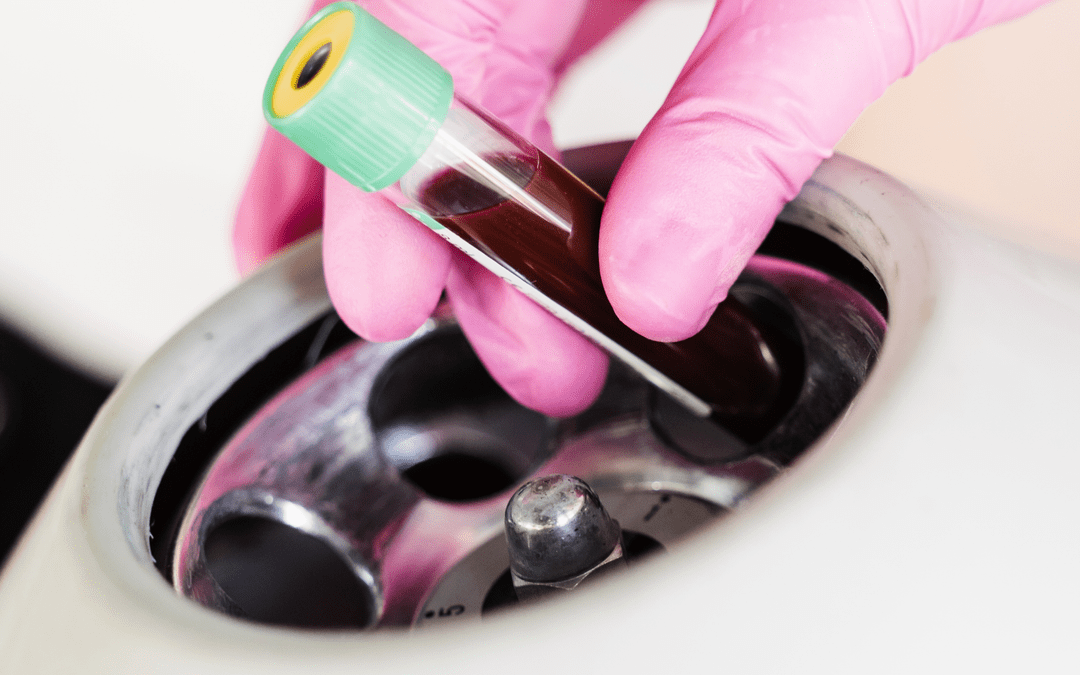
PRP stands for platelet-rich plasma. It is made from a sample of the patient’s own blood. The blood is processed to concentrate platelets and plasma, then injected into the target area.
Platelets contain growth factors and signaling proteins that may support healing responses in certain tissues. PRP is often discussed for tendon injuries, some ligament injuries, and certain joint conditions. Yale Medicine describes PRP as a biologic therapy made from a patient’s own blood that can stimulate healing and enhance repair in certain injuries.
PRP is not instant pain relief. In fact, AAOS notes that pain at the injection site may increase for the first week or two, and it may take several weeks before patients feel a beneficial effect.
That timeline matters. PRP is usually chosen for a different reason than cortisone. Cortisone is often used to calm inflammation quickly. PRP is often used when the goal is to support tissue recovery over time.
PRP works best when paired with the right rehab plan. The tissue still needs progressive loading, strength, mobility, and movement retraining.
Hyaluronic Acid: Improving Joint Lubrication
Hyaluronic acid injections, sometimes called gel injections, are often used for osteoarthritis-related knee pain. Hyaluronic acid is a substance naturally found in joints and helps with lubrication and shock absorption.
Hyaluronic acid injections are used to treat osteoarthritic knee pain and may be considered when other options such as physical therapy, weight loss, anti-inflammatory medicines, acetaminophen, or corticosteroid injections have not been effective.
This type of injection is usually aimed at joint-related pain, not tendon strain or muscle injury. It may be part of a non-surgical plan for people trying to manage knee symptoms and maintain activity.
As with other injection therapies, hyaluronic acid should not be viewed in isolation. Strength, mobility, gait, body mechanics, and activity planning still matter for long-term knee health.
Regenerative And Biologic Options
Regenerative medicine is a broad area that includes treatments intended to support the body’s repair processes. This may include PRP, stem cell-based therapies, and other biologic approaches depending on the clinic, condition, and patient.
Orthobiologics as therapies that use biological products such as cells, tissues, or blood products like PRP to leverage the body’s natural physiology and help enhance healing processes. AAOS emphasizes the need for evidence-based research and clear patient education around these treatments.
This is important because regenerative medicine should be discussed carefully. These treatments may be appropriate for certain tendon, joint, ligament, or soft tissue conditions, but they are not magic cures. The diagnosis, tissue involved, severity, medical history, and patient goals all matter.
Why Image Guidance May Matter
Some injections are performed using anatomical landmarks. Others may use ultrasound guidance or another imaging method to help place the injection more accurately.
Image guidance can be helpful when the target is small, deep, or close to important structures. It may also be useful when precision matters for tendon, joint, or soft tissue injections.
The point is not that every injection must be image-guided. The point is that technique matters. A good provider considers the target, diagnosis, anatomy, and safest approach before treatment.
For patients, it is reasonable to ask where the injection is going, why that target was chosen, and how the provider confirms placement.
What To Expect Before An Injection
A good injection visit should include more than the procedure itself.
Before treatment, the provider should explain the diagnosis, the goal of the injection, possible benefits, risks, alternatives, and what to expect afterward. The patient should understand whether the injection is meant to reduce inflammation, improve joint symptoms, support healing, or help with pain control.
The provider may also review medications, allergies, medical conditions, activity level, and previous treatments.
This preparation matters because injections are medical treatments. They should be chosen with care and informed consent.
What To Expect After An Injection
After an injection, the response depends on the treatment type. Some injections may reduce pain fairly quickly. Others may create soreness before improvement. PRP, for example, may take weeks to show benefit and may feel more irritated early on.
Patients may be asked to modify activity for a short period. For tendon or regenerative treatments, the activity plan can be especially important because the tissue may need time before heavier loading returns.
A common mistake is feeling better and immediately returning to full activity. Pain relief does not always mean the tissue is ready. The recovery plan should guide the next steps.
Why Physical Therapy Still Matters
Injection therapies can help reduce pain or support healing, but physical therapy helps change the movement story.
If knee pain is related to weak hips, poor quad strength, limited ankle mobility, or running mechanics, an injection alone will not fix those issues.
If shoulder pain is linked to rotator cuff weakness or poor shoulder blade control, the tissue still needs training.
If Achilles pain is linked to calf weakness and hill load, the tendon still needs progressive loading.
If arthritis pain improves after an injection, the joint still benefits from strength, mobility, and smart activity planning.
This is why Avid’s approach is comprehensive. Injection therapies may create an opportunity. Physical therapy and strength programming help turn that opportunity into better function.
Who Might Benefit From Injection Therapies?
Injection therapies may be considered when pain is limiting movement, rehab, sport, or daily life and when other conservative strategies have not provided enough improvement.
They may also be considered when inflammation is preventing progress, when a tendon condition has become persistent, or when joint pain is interfering with activity goals.
The best candidates are usually people who have a clear diagnosis, realistic expectations, and a plan for what happens after the injection.
The injection is one part of the plan. The patient’s goals guide the rest.
Who May Need Another Option First?
Not everyone should start with an injection. Some pain improves with physical therapy, strength work, activity modification, footwear changes, rest from a trigger activity, or improved training progression.
Some injuries need imaging first. Some need bracing. Some need surgical consultation. Some need medical workup if symptoms suggest infection, inflammatory disease, or another condition.
A responsible sports medicine plan does not push injections just because they are available. It chooses the right level of care for the problem.
What Questions Should Patients Ask?
Before choosing injection therapy, patients should feel comfortable asking:
- What is my diagnosis?
- What tissue or joint are we treating?
- What type of injection are you recommending?
- What is the goal of the injection?
- How long might results take?
- What are the risks?
- What should I avoid afterward?
- Will I need physical therapy?
- How will we measure progress?
- What happens if symptoms return?
Good care should make patients feel informed, not rushed.
Injection Therapies At Avid Sports Medicine
Injection therapies can be valuable, but they work best when they are matched to the right diagnosis and supported by a complete recovery plan. At Avid Sports Medicine in San Francisco, we help active people understand what is driving their pain and whether an injection-based treatment may be appropriate.
Our team offers sports medicine evaluation, physical therapy, movement assessment, gait analysis when appropriate, shockwave therapy, performance-based strength programming, and injection therapies including options such as PRP and other regenerative approaches when appropriate. We consider the joint, tendon, soft tissue, mechanics, activity goals, and long-term function before recommending a plan.
Ready to find out whether injection therapies belong in your recovery plan? Schedule an appointment with Avid Sports Medicine today and let’s build a treatment strategy that helps you move with less pain, more strength, and greater confidence.
FAQ: Injection Therapies
What Are Injection Therapies?
Injection therapies are treatments placed into or around a joint, tendon, bursa, ligament, or soft tissue area to help reduce pain, calm inflammation, improve joint symptoms, or support healing.
What Types Of Injection Therapies Are Used In Sports Medicine?
Common examples include cortisone injections, hyaluronic acid injections, PRP, and other regenerative or biologic options depending on the diagnosis and patient goals.
Are Injection Therapies A Replacement For Physical Therapy?
Usually, no. Injections may reduce pain or support tissue recovery, but physical therapy helps rebuild strength, mobility, mechanics, and long-term function.
How Do I Know Which Injection Is Right For Me?
The right injection depends on the diagnosis, tissue involved, severity, medical history, previous treatments, and activity goals. A sports medicine evaluation can guide that decision.
Does PRP Work Immediately?
PRP is not usually instant. Some people feel soreness for the first week or two, and improvement may take several weeks as the tissue response develops.
Are Cortisone Injections Good For Joint Pain?
Cortisone injections may help reduce inflammation and pain in certain joint or soft tissue conditions, especially when other less invasive treatments have not provided enough relief.
Can Injection Therapies Help Knee Pain?
They may help some types of knee pain, including arthritis-related symptoms, inflammation, tendon issues, or other diagnosed conditions. The best option depends on the source of pain.
Are Injection Therapies Safe?
Injection therapies are medical procedures and should be performed by qualified providers. Safety depends on the treatment type, target area, medical history, and proper screening.