
Key Takeaways
- PRP therapy uses a concentrated portion of a patient’s own blood with the goal of supporting tissue repair in selected sports injuries and musculoskeletal conditions.
- PRP is not an instant cure. Improvement, when it occurs, typically develops over time and should be supported by appropriate rehabilitation.
- Research on PRP is promising for some conditions but mixed overall, making accurate diagnosis and patient selection important.
- Avid Sports Medicine combines PRP when appropriate with physical therapy, movement assessment, gait analysis, and strength programming to support a complete return to activity.
When an injury refuses to settle, it can feel like recovery has reached a dead end.
You have rested. You have reduced training. You may have tried physical therapy, changed your exercise routine, or spent weeks waiting for a painful tendon or joint to improve. The pain gets better for a while, then returns as soon as you increase activity.
For some people in this situation, PRP therapy may become part of the conversation.
PRP, or platelet-rich plasma, is a regenerative treatment made from a concentrated portion of your own blood. It is used in sports medicine for selected tendon, ligament, muscle, and joint conditions with the goal of supporting the body’s natural repair processes.
PRP is not an instant pain-relief injection. It is also not appropriate for every injury. Its role is more specific: when the diagnosis, tissue, stage of injury, and treatment goals make sense, PRP may help create a better environment for recovery.
What Is PRP Therapy?
PRP stands for platelet-rich plasma.
Your blood contains several components, including red blood cells, white blood cells, plasma, and platelets. Platelets are well known for helping blood clot, but they also contain proteins and signaling molecules involved in tissue repair.
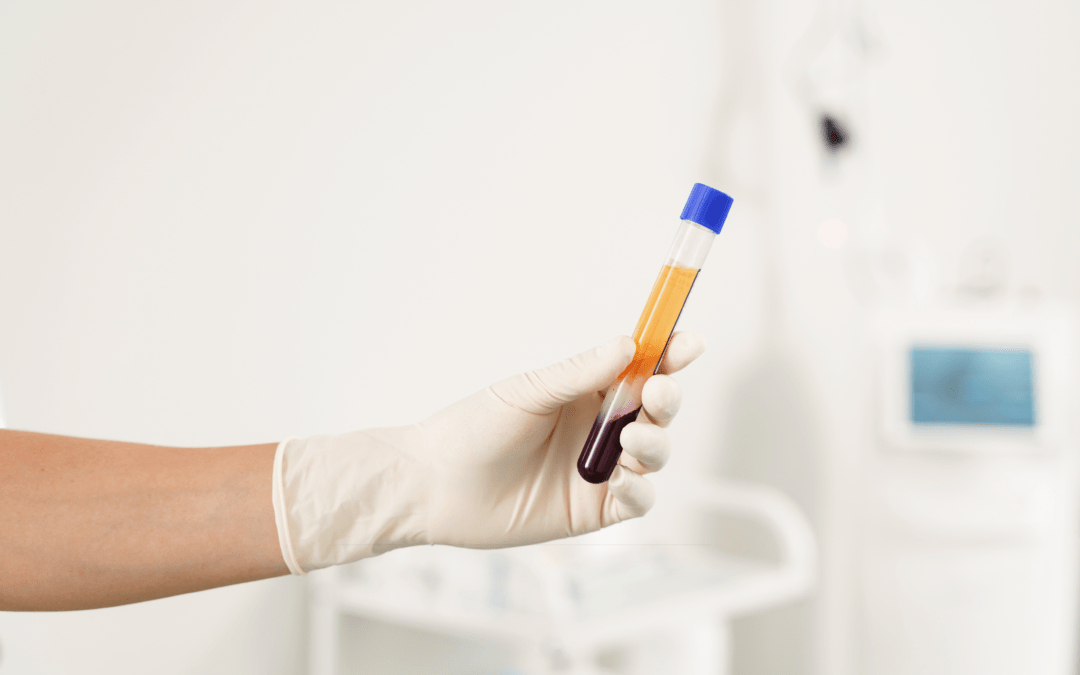
During PRP treatment, a small amount of the patient’s blood is collected and placed in a centrifuge. The centrifuge separates different components of the blood and creates a preparation with a higher concentration of platelets.
That platelet-rich portion is then injected into the targeted area. Because PRP comes from the patient’s own blood, it is considered an autologous treatment. The goal is not to replace damaged tissue with something artificial. Instead, PRP is intended to concentrate biological signals in the area that needs support.
Why Platelets Matter In Healing
When tissue is injured, the body begins a complicated repair process.
Platelets participate in that process by releasing signaling proteins and growth factors. These signals help coordinate different stages of tissue repair.
PRP therapy attempts to concentrate these platelets and deliver them directly to a targeted area.
This does not mean the injection instantly rebuilds a tendon or joint. Healing still takes time.
Think of PRP as one possible tool for influencing the biological environment around injured tissue. The body still has to do the work of adapting, rebuilding, and regaining strength.
That is why rehabilitation remains such an important part of the process.
PRP Is Different From A Cortisone Injection
Patients sometimes assume all injections work the same way. They do not.
Corticosteroid injections are generally used to reduce inflammation and pain. They may be useful for certain inflammatory conditions when properly selected. PRP has a different goal. Instead of primarily trying to suppress inflammation, PRP is generally used when the treatment strategy is focused on supporting a healing response in the tissue.
That difference can also affect the timeline.
A patient receiving a steroid injection may sometimes notice symptom improvement relatively quickly. PRP usually requires more patience. The treatment is intended to work with biological repair processes that unfold over weeks and months.
Neither approach is automatically better. The correct choice depends on the diagnosis.
Why Athletes Are Interested In PRP
Athletes often face a difficult situation when an injury becomes persistent.
- They may be able to train, but not normally.
- They may run but cannot sprint.
- They may play tennis but cannot serve without pain.
- They may lift but have to avoid certain exercises.
- They may complete physical therapy successfully but continue to experience symptoms when training volume increases.
The goal for an athlete is rarely just to become pain-free while sitting at home. The goal is to restore enough tissue capacity to return to sport.
This is why PRP has attracted significant interest in sports medicine.
For selected injuries, PRP may be considered alongside physical therapy and progressive strength training when recovery has stalled.
What Sports Injuries May Be Treated With PRP?
PRP has been studied across a wide range of musculoskeletal conditions.
Some of the most commonly discussed applications involve tendons and joints.
Examples may include:
- Tennis elbow
- Golfer’s elbow
- Patellar tendinopathy
- Certain rotator cuff problems
- Plantar fascia pain
- Some Achilles tendon conditions
- Certain ligament injuries
- Knee osteoarthritis and joint-related pain
- Selected muscle injuries
However, PRP should not be treated as a universal solution for these conditions.
Evidence varies considerably depending on the diagnosis. Some studies show meaningful improvement, while others find little difference compared with standard treatments or placebo.
That is why PRP treatment should start with diagnosis, not with the injection.
Tendons Are One Of The Main Areas Of Interest
Persistent tendon pain can be particularly frustrating. Tendons connect muscles to bones and transfer tremendous amounts of force during running, jumping, lifting, throwing, and other athletic movements. When a tendon becomes painful, resting may temporarily reduce symptoms. But returning to activity often brings the pain back.
This can happen with Achilles tendinopathy, patellar tendon pain, tennis elbow, golfer’s elbow, and certain shoulder tendon problems. PRP is sometimes considered when a tendon problem has become persistent and a well-structured conservative program has not produced enough improvement.
Recent research continues to investigate this area, but results vary between tendons and treatment protocols. PRP should therefore be considered selectively rather than automatically.
What About PRP For Achilles Pain?
Achilles tendinopathy is a good example of why PRP needs individualized decision-making.
PRP has been widely discussed as an option for chronic Achilles tendon problems, but research has produced mixed results.
Some patients may still be considered for PRP depending on their diagnosis, treatment history, imaging findings, and goals. However, progressive tendon loading and rehabilitation remain fundamental parts of Achilles recovery.
PRP should not replace calf strengthening, load management, and return-to-running progression.
If the underlying problem is that the Achilles cannot tolerate the demands of running, simply injecting the tendon without rebuilding capacity will not solve the entire problem.
PRP For Knee And Joint Problems
PRP is also commonly discussed in relation to knee pain. One area of interest is knee osteoarthritis. In this condition, joint changes can contribute to pain, stiffness, swelling, and reduced activity tolerance. PRP may be considered as part of non-surgical care for selected patients. Again, the goal is not to claim that PRP regrows a completely normal joint or reverses every arthritic change.
Instead, the treatment may be used as one component of symptom management and functional improvement for appropriate patients. Strength remains essential. A knee needs strong quads, hips, hamstrings, and calves. Gait, mobility, body mechanics, training volume, and activity choices also influence how the knee feels. Injection and rehabilitation should therefore work together.
Is PRP A Quick Fix?
No. This is one of the most important things patients should understand. PRP is not designed to make an injury disappear overnight. Some patients may actually experience temporary soreness after the injection. Improvement, when it occurs, may develop gradually over several weeks.
For athletes, this can be difficult because the instinct is often to test the injury as soon as it starts feeling better. But early symptom improvement does not necessarily mean the tissue is ready for full-speed sport. The recovery plan should determine when loading increases.
What Happens During A PRP Treatment?
The exact process varies between clinics and conditions, but the overall sequence is relatively straightforward.
- First, blood is drawn from the patient.
- The blood is then placed in a centrifuge, which spins it at high speed to separate its components.
- The platelet-rich portion is prepared for injection.
- The provider identifies the treatment target and administers the PRP into the appropriate area.
- Depending on the condition, ultrasound guidance may be used to improve accuracy.
- Afterward, patients receive instructions about activity and rehabilitation.
The entire process is usually performed in an outpatient setting.
Why Ultrasound Guidance Can Matter
Precision matters with injection therapies. Tendons, ligaments, joints, muscles, nerves, and other structures often sit close together. Ultrasound allows a sports medicine provider to visualize anatomy in real time and guide the needle toward the intended treatment area.
This can be particularly helpful when targeting specific tendon regions or other structures where accurate placement matters. Ultrasound may also help confirm whether imaging findings match the patient’s symptoms and physical examination.
The technology is useful, but it does not replace clinical judgment. The most important step remains deciding what structure should be treated and why.
What Happens After PRP?
The injection is only the beginning.
Immediately after PRP, the treatment area may feel sore or irritated. Patients are often given specific instructions about activity during the early recovery period. The exact recommendations vary depending on the tissue being treated.
- A tendon may require a different plan from a knee joint.
- A recreational runner may have different needs from a tennis player.
- A patient returning to everyday walking will have different goals from an athlete returning to competition.
Once the early recovery period has passed, rehabilitation becomes increasingly important.
PRP And Physical Therapy Should Work Together
A common misconception is that a PRP injection single-handedly resolves an injury. In reality, treatment relies heavily on targeted rehabilitation.
Consider an Achilles tendon that develops pain following months of escalating running volume. If assessments reveal calf weakness, compromised ankle stability, and diminished tendon capacity, PRP can address the biological aspects of repair. However, full recovery still demands rebuilding calf strength, improving load tolerance, and following a structured return-to-running plan.
This principle applies across various body regions:
- Elbow injuries: PRP does not replace forearm strengthening.
- Knee conditions: PRP does not eliminate the need for quad and hip conditioning.
- Shoulder issues: PRP does not substitute for rotator cuff and scapular stabilization.
While PRP helps facilitate healing, structured physical therapy ultimately prepares the tissue for real-world demands.
Building Strength After PRP
Following treatment, progressive loading plays a critical role in the recovery process.
Initial exercises are typically carefully controlled, with resistance gradually increasing as tissue tolerance and symptoms improve.
As rehabilitation advances, it should align directly with the patient’s specific functional goals:
- Runners work toward running and jumping drills.
- Tennis players focus on serving mechanics and rotational power.
- Basketball players build capacity for jumping, landing, and cutting movements.
- Golfers target swing tolerance and rotational strength.
- Recreational individuals aim for everyday activities such as walking, stair climbing, hiking, or gym workouts.
Rather than shielding the affected tissue indefinitely, the ultimate goal is to rebuild its capacity to handle physical demands once again.
How Long Does PRP Take To Work?
There is no universal timeline.
Response depends on the injury, tissue, duration of symptoms, overall health, PRP preparation, rehabilitation program, and individual healing response. Some patients may notice improvement within several weeks. Others may experience more gradual changes over a few months. For chronic tendon conditions, patience is especially important.
Tendons naturally adapt slowly. Even without PRP, successful tendon rehabilitation often requires consistent progressive loading over time. PRP does not remove that biological reality.
Does Everyone Need More Than One PRP Injection?
Not necessarily. Treatment protocols vary considerably. Some conditions may be treated with one injection. Other protocols may involve multiple treatments. There is no universal number that is correct for every patient or every injury.
The decision should be based on the diagnosis, response to treatment, clinical evidence, and provider recommendations. More injections do not automatically mean better results.
Who Might Be A Good Candidate For PRP?
PRP may be considered when a patient has a clearly identified musculoskeletal problem that has not improved enough with appropriate conservative care. This may be especially relevant for persistent tendon or joint problems.
A strong candidate typically has a clear diagnosis, realistic expectations, and a willingness to participate in rehabilitation. PRP makes less sense when the diagnosis is uncertain. If nobody knows what structure is causing the pain, injecting first and asking questions later is not a good strategy.
When PRP May Not Be The First Choice
Sometimes the best sports medicine decision is not PRP.
- A new injury may simply need appropriate rehabilitation.
- An athlete may need a change in training volume.
- A runner may need gait assessment and calf strengthening.
- A shoulder may need rotator cuff rehabilitation.
- A knee may need stronger quads and hips.
Some injuries may require different medical treatments or surgical evaluation. The purpose of an evaluation is to determine the best treatment, not to find a reason to perform an injection.
Understanding the Factors Behind Varying PRP Outcomes
Because PRP therapy lacks a single standardized protocol, research findings and patient outcomes can vary significantly. Key clinical and biological variables contribute to these differences:
- Treatment methodology: Variations exist in preparation techniques, platelet concentration levels, the total number of injections administered, and specific injection protocols.
- Specific injury characteristics: The exact type, severity, and location of the tissue injury affect response rates.
- Patient-specific variables: Differences in age, baseline health, activity level, injury duration, and adherence to rehabilitation play a major role in overall recovery.
Because PRP cannot be categorized as a uniform, one-size-fits-all intervention, partnering with an experienced sports medicine team is essential for achieving optimal results.
PRP Should Be Part Of A Bigger Recovery Plan
A sports injury involves far more than just damaged tissue. It frequently causes a range of physical and biomechanical issues, including:
- Weakness and reduced mobility
- Poor movement control and gait changes
- Training errors and insufficient recovery
- Loss of confidence
While PRP therapy cannot resolve all of these challenges on its own, a well-rounded recovery strategy can address every aspect of rehabilitation:
- Sports medicine evaluation: Accurately diagnoses the underlying injury.
- PRP therapy: Supports biological tissue healing when clinically appropriate.
- Physical therapy: Restores proper movement and flexibility.
- Strength training: Rebuilds load capacity and muscle performance.
- Movement & gait assessments: Identify and correct contributing mechanics.
- Progressive return-to-sport training: Safely integrates performance demands.
Integrating PRP into a structured plan like this ensures it delivers the greatest value within sports medicine.
PRP Therapy At Avid Sports Medicine
At Avid Sports Medicine in San Francisco, PRP therapy is considered within a complete sports medicine and rehabilitation approach rather than as an isolated injection.
The first step is understanding what is causing your pain and whether PRP is appropriate for the specific tissue involved. From there, treatment can be integrated with individualized physical therapy, movement assessment, gait analysis when appropriate, and performance-based strength programming.
For active adults and athletes, that combination matters. Reducing symptoms is only one part of recovery. The injured area also needs enough strength and capacity to handle running, jumping, lifting, throwing, hiking, court sports, or whatever activity matters to you.
Avid Sports Medicine also offers other non-surgical options, including shockwave therapy and additional regenerative approaches when appropriate, allowing treatment to be tailored to the injury rather than forcing every patient into the same plan.
If persistent tendon, joint, or sports injury pain is keeping you from doing what you enjoy, PRP may be worth discussing. Schedule an appointment with Avid Sports Medicine today to find out whether PRP therapy belongs in your recovery plan and take the next step toward stronger, more confident movement.
FAQ: PRP Therapy
What Does PRP Stand For?
PRP stands for platelet-rich plasma. It is prepared from the patient’s own blood and contains a concentrated amount of platelets.
How Does PRP Help Sports Injuries?
PRP delivers concentrated platelets and biological signaling factors to a targeted area with the goal of supporting the body’s repair response. Its effectiveness varies depending on the injury.
What Injuries Can PRP Be Used For?
PRP may be considered for selected tendon, ligament, muscle, and joint problems, including some cases of tennis elbow, patellar tendinopathy, plantar fascia pain, shoulder tendon conditions, and knee joint pain.
Is PRP Better Than Cortisone?
They have different purposes. Corticosteroid injections are commonly used to reduce inflammation and pain, while PRP is generally used with the goal of supporting tissue repair. The right choice depends on the condition.
How Long Does PRP Take To Work?
PRP is not immediate. Improvement may develop gradually over several weeks or months depending on the condition and individual response.
Is PRP Painful?
Patients may feel discomfort during the injection and temporary soreness afterward. The experience varies depending on the area treated.
Do I Need Physical Therapy After PRP?
Physical therapy is often an important part of PRP recovery, particularly for sports and tendon injuries. Rehabilitation helps rebuild strength, movement, and tissue capacity.
Can Athletes Return To Sport After PRP?
Yes, but return should be progressive. Athletes need adequate strength, mobility, control, and sport-specific tolerance before returning fully.
Does PRP Work For Everyone?
No. PRP results vary, and research is stronger for some conditions than others. A sports medicine evaluation can help determine whether it is appropriate.
How Do I Know If PRP Is Right For Me?
The best way to know is through an evaluation that considers your diagnosis, symptoms, treatment history, activity goals, and available evidence.