
EMTT Therapy in San Francisco
EMTT Therapy
When pain lingers, movement feels limited, or an injury keeps returning, you deserve options that match your goals and your timeline. EMTT Therapy is a modern, non-invasive treatment that can be used to support pain relief, improve mobility, and help you get back to training and daily life with more confidence.
EMTT stands for Extracorporeal Magnetotransduction Therapy. It delivers high-frequency electromagnetic energy to targeted areas without needles, injections, or incisions. Sessions are short, generally well tolerated, and commonly integrated into a broader care plan that may include physical therapy, strength coaching, manual therapy, shockwave/EPAT, or other sports medicine and regenerative strategies.
At Avid, we do not treat labels. We treat the person in front of us. That starts with an evaluation so we can identify what is driving your symptoms and whether EMTT makes sense for your body, your sport, and your stage of healing.
Interested in EMTT? Schedule a visit to see if it fits your symptoms, goals, and timeline.

What is EMTT Therapy?
EMTT stands for Extracorporeal Magnetotransduction Therapy.
It’s a therapy delivered through a specialized device that emits high-frequency electromagnetic pulses to the targeted area. These pulses are designed to influence cellular activity and support the body’s natural healing response.
In the U.S., EMTT devices have FDA clearance as a FDA-cleared as a musculoskeletal treatment, with indications including things like muscle spasm relaxation, supporting circulation, maintaining/increasing range of motion, and muscle re-education.
What Can EMTT Help With?
EMTT may be considered for:
Tendon and overuse pain (for example, Achilles, elbow, shoulder)
Arthritis-related stiffness and joint pain
Plantar fasciitis / heel pain
At Avid, we use your exam findings and goals to decide whether EMTT should be standalone or paired with rehab, manual therapy, shockwave/EPAT, or other treatments.

Why Patients Like EMTT
Non-invasive:
Comfortable:
Quick Sessions:
Minimal Downtime:
What To Expect At Your EMTT Visit
1. Evaluation first
2. We build a plan that fits your timeline
3. Your EMTT session
4. Progress check and next steps
How Does EMTT Work?
Unlike surface-level modalities, EMTT is designed for high penetration depth using oscillation frequencies reported around 100–300 kHz, which helps deliver therapeutic energy deeper into tissue.
EMTT is also discussed as distinct from lower-intensity magnetic therapies (like some PEMF approaches) due to its different frequency range and field characteristics.

How Many EMTT Sessions Do You Need?
Your plan depends on:
- How long symptoms have been present
- Whether this is a first-time issue or a repeat flare-up
- Your training demands and deadlines
- How quickly you respond during the first few sessions
- Whether EMTT is paired with other treatments
At Avid, we aim for the minimum effective plan and adjust based on measurable progress.
EMTT Therapy FAQs
Does EMTT hurt?
How long is an EMTT session?
How many sessions will I need?
How soon will I feel results?
Is EMTT FDA approved?
Is EMTT the same as PEMF?
Can EMTT be combined with shockwave therapy?
Safety And Who Should Avoid EMTT
What Is The Success Rate of EMTT?
The condition being treated
How long symptoms have been present
What we can say is that peer-reviewed research has reported meaningful improvements in pain and function versus sham treatment in certain populations. A randomized, double-blind, placebo-controlled trial (126 patients) evaluated EMTT for degenerative joint diseases and enthesopathies and reported improvements in physical function and pain over follow-up compared with sham therapy.
At Avid, we define “success” in real-world terms:
- Less pain with the movements that used to trigger you
- More range of motion and tolerance to load
- Improved sport or training capacity
- A clear plan to prevent recurrence
We will also be honest with you if EMTT is unlikely to move the needle, and we will recommend alternatives.
EMTT vs Shockwave: What’s The Difference?
These therapies use different energy types:
- Shockwave/ESWT (EPAT) uses acoustic (sound) waves.
- EMTT uses electromagnetic pulses.
Because they work differently, some clinics combine them when appropriate to target pain and tissue recovery from multiple angles.
Our Other Services


” I had a sudden calf injury from kickboxing and used EMTT only to treat the area a couple of times a week combined with rehab. After one month I was back to working out again. “
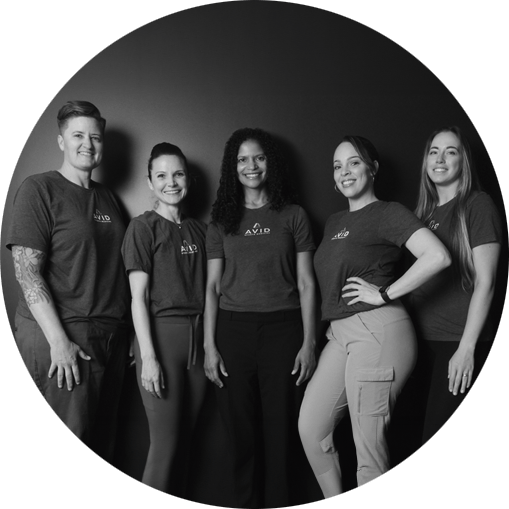
EMTT Therapy in San Francisco
Ready To See If EMTT Fits Your Case?
Book an evaluation at Avid Sports Medicine to find out whether EMTT should be part of your recovery plan.