
Key Takeaways
- Sports medicine speeds up recovery, prevents injuries, and improves performance.
- Treatments range from physical therapy and PRP therapy to shockwave therapy.
- Gait analysis and biomechanical assessments help build long-term resilience.
You lace up for a San Francisco sunrise run, rally friends for pickup basketball, or simply hoist groceries without thinking twice. Movement is freedom. Yet a stubborn knee ache, a tight shoulder, or breath‑stealing back pain can shrink your world in a hurry. A quick internet search produces endless advice, stretch more, rest more, ice forever, never ice, try this miracle gadget, until frustration sets in.
Sports medicine exists to cut through that noise. The specialty looks at pain, performance, and prevention as parts of the same puzzle. Whether you want to finish a marathon or just garden without screaming knees, sports‑medicine care guides you back to confident motion and helps you stay there.
What is Sports Medicine?
Sports medicine is a multidisciplinary medical field aimed at treating and preventing injuries associated with physical activities. Whether you’re a professional athlete, a weekend warrior, or someone pursuing a more active life, sports medicine specialists help you recover efficiently and safely return to your favorite activities.
These specialists are trained to address musculoskeletal issues related to sports and exercise. They utilize advanced diagnostic tools, targeted treatments, and personalized rehabilitation programs.
Who Can Benefit?
Sports medicine isn’t just for elite athletes; it benefits a wide range of individuals including:
- The weekend warrior nursing a lingering ankle sprain from recreational soccer.
- The new mom experiencing hip pain while returning to jogging after pregnancy.
- The sales manager whose neck stiffens after hours at a laptop and now flares during casual cycling.
- The varsity sprinter hoping to shave a tenth of a second off a 100‑meter dash without risking hamstring re‑injury.
All these patients share one goal: they want to move freely without fear. Sports‑medicine principles apply equally well to each case.
Conditions Treated by Sports Medicine
Sports medicine specialists manage various musculoskeletal issues including:
- Muscle strains and ligament sprains.
- Chronic tendonitis affecting the Achilles, elbow, or knee.
- Joint pain, arthritis, and meniscal injuries.
- Stress fractures and overuse injuries.
By understanding the root cause, specialists can design treatments that speed recovery while reducing the risk of recurrence.
Sports Medicine Treatments
Sports medicine helps people heal and improve their physical abilities. It uses many advanced treatments, including:
- Physical therapy: This is a basic treatment that uses exercises and hands-on techniques to bring back movement and strength.
- Biological therapies (like PRP): These treatments use the body’s own healing power. For example, PRP involves injecting concentrated platelets to speed up tissue repair.
- Shockwave therapy: This non-surgical treatment uses sound waves to help heal long-term conditions and regrow tissues.
Beyond treating injuries, sports medicine also focuses on preventing them through:
- Movement (gait) analysis: This involves carefully looking at how a person moves to find inefficient patterns and things that could cause injury.
- Performance training: This uses the movement analysis to create special exercise plans that make an athlete stronger while also preventing future injuries.
The main idea behind all these treatments is to create a plan unique to each person. This plan considers their specific needs, type of injury, and athletic goals, leading to the best recovery and strong injury prevention.
Physical Therapy
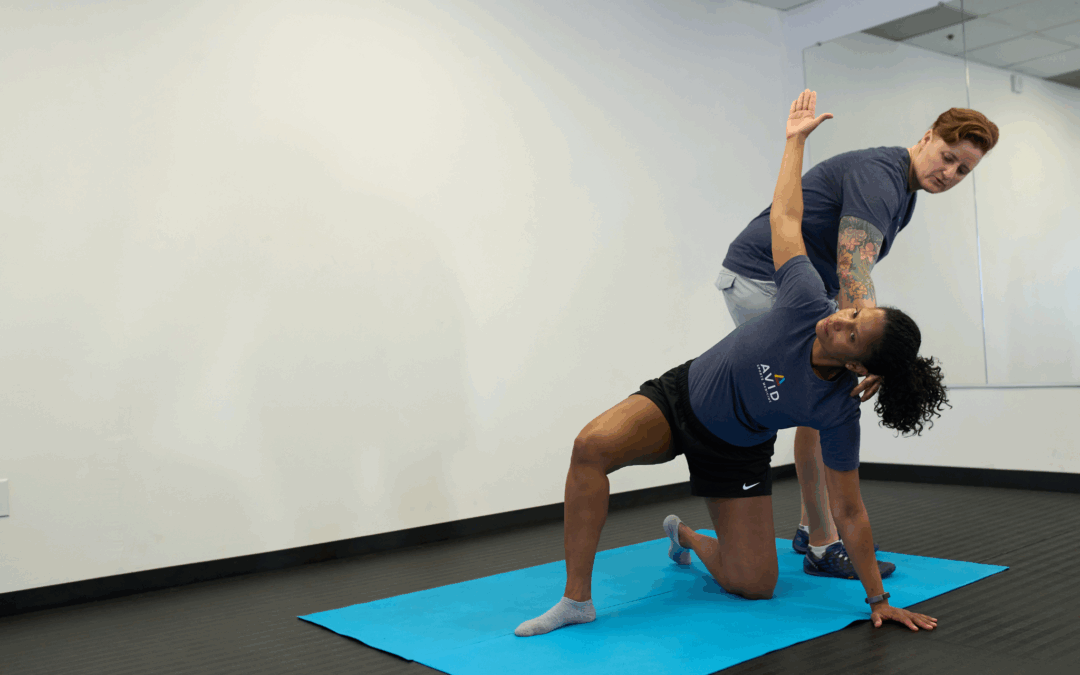
Physical therapy is a foundational element in sports medicine. It involves customized exercises and manual therapy techniques designed to restore function, reduce pain, and improve strength, flexibility, and mobility. Physical therapists also educate patients on preventive measures to minimize the risk of future injuries.
Platelet-Rich Plasma (PRP) Therapy in Sports Medicine
PRP therapy harnesses the body’s natural healing capabilities to treat chronic injuries. It effectively manages conditions such as chronic tendonitis, ligament injuries, and joint degeneration. Clinical studies confirm PRP’s ability to accelerate healing, particularly when traditional treatments have fallen short.
Shockwave Therapy: A Non-Invasive Solution
Shockwave therapy utilizes high-energy acoustic waves to stimulate healing within injured tissues. It is especially effective for chronic tendonitis, plantar fasciitis, calcific tendonitis, and muscle strains. Patients often report significant improvements in pain and function within a few weeks, avoiding invasive procedures or long-term medications.
Preventive Measures in Sports Medicine
Prevention is a cornerstone of sports medicine. Specialists focus on teaching proper training techniques, implementing strength and flexibility programs, and advising on nutritional guidance. Additionally, emphasizing warm-ups and cooldown routines greatly reduces injury risk, enhancing overall performance.
Gait and Biomechanical Analysis
Gait analysis identifies movement abnormalities and biomechanical imbalances that may lead to injuries. By correcting these imbalances through personalized training, athletes can prevent recurrent injuries, improve athletic efficiency, and enhance overall stability and mobility.
Sports Medicine for Enhanced Performance
Beyond injury recovery, sports medicine also aims to optimize athletic performance. Customized strength and conditioning plans, biomechanical corrections, nutritional counseling, and mental performance training help athletes achieve their peak potential.
Who Benefits from Sports Medicine?
Sports medicine benefits a wide range of individuals, from professional athletes and recreational sports enthusiasts to those recovering from musculoskeletal injuries. It is ideal for anyone seeking improved physical performance and reduced risk of injury.
Your Path to Active Health Begins With Sports Medicine San Francisco
Pain‑free movement fuels work, play, and simple joy. Sports medicine wraps medical know-how around that truth, giving you a clear roadmap from injury to confident activity and beyond. The best time to seek help is as soon as something feels “off.” Early guidance shortens downtime, lowers costs, and prevents a small twinge from becoming a life‑limiting problem.
If aches, sprains, or performance plateaus are holding you back, reach out to Avid Sports Medicine in San Francisco. Our team listens first, explains clearly, and crafts a plan that fits your goals, whether those goals involve a personal‑best marathon, pain‑free gardening, or just waking up without that nagging backache.
Ready to move better? Book your personalized assessment today and discover how expert sports‑medicine care can help you stay active, healthy, and happy for the long run.