
Key Takeaways
- Water polo injuries often come from a mix of overhead throwing, swimming volume, eggbeater kicking, contact, and fatigue.
- Common injury areas include the shoulder, head and face, hand and wrist, hip and groin, knee, and low back.
- Prevention should include shoulder endurance, hip and adductor strength, trunk control, warm ups, workload planning, and early injury care.
- Avid Sports Medicine supports water polo recovery with sports medicine evaluation, physical therapy, movement assessment, strength programming, and advanced options when appropriate.
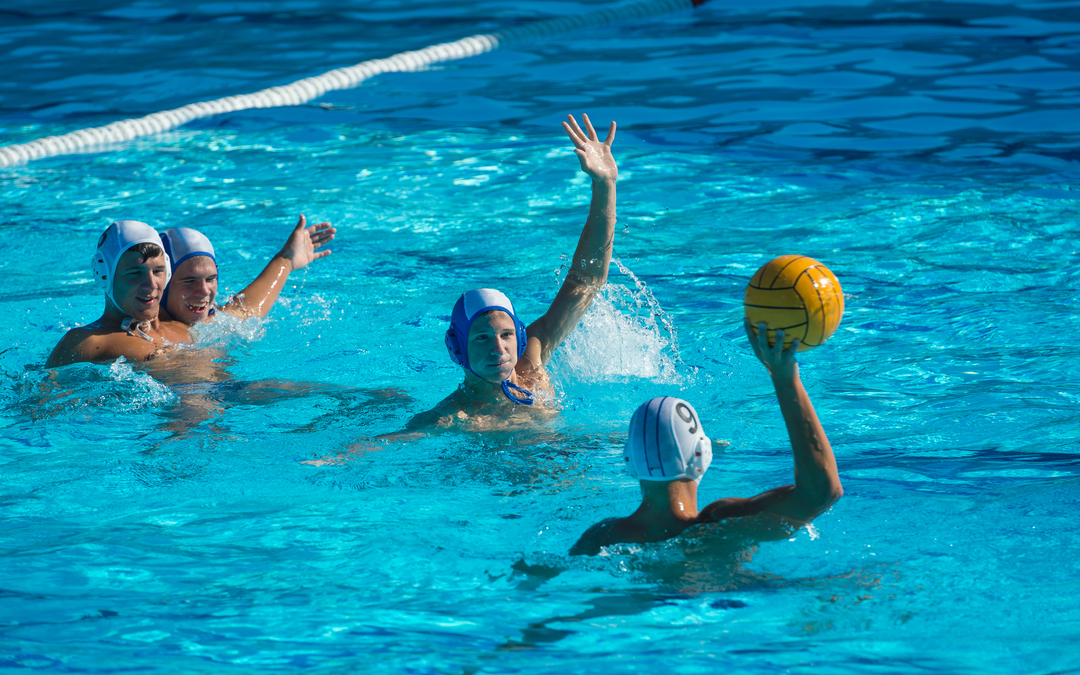
Water polo is one of the few sports where athletes have to sprint, wrestle for position, throw, defend, tread water, and think tactically while never touching the ground.
That makes the sport uniquely demanding.
From the outside, water polo may look easier on the joints because it happens in a pool. There is no running on pavement, no hard court, and no field impact. But in the water, the body faces a different kind of stress. Players use repeated overhead throwing, constant swimming, rapid changes in direction, forceful eggbeater kicking, underwater contact, and explosive transitions from horizontal swimming to vertical play.
That combination creates a very specific injury profile.
Water polo injuries can happen suddenly from contact, collision, or an awkward movement. They can also build slowly from overuse, especially in the shoulder, hip, groin, knee, and low back. Because many players are used to training through fatigue, early symptoms can be easy to dismiss until pain starts affecting shooting, passing, treading water, or swimming speed.
The goal is not to make athletes afraid of the sport. The goal is to help water polo players understand the demands of their body, recognize early signs of injury, and get the right care before a small issue becomes a season-long problem.
Water Polo Is Not Just Swimming
Water polo athletes swim, but they are not only swimmers. They sprint in the water, stop, rotate, tread, shoot, block, absorb contact, and fight for position. A swimmer usually moves in lanes with a predictable rhythm. A water polo player moves in chaos.
This matters because the shoulder, hip, trunk, and legs are loaded differently.
A swimmer may repeat a stroke pattern for distance. A water polo player may sprint, lift the body out of the water, rotate the trunk, throw overhead, then immediately return to defense. The shoulder must be mobile enough to reach and throw, stable enough to control the arm, and strong enough to tolerate repeated high-speed movement.
At the same time, the lower body is constantly working. The eggbeater kick helps players stay upright, elevate for shots, defend, and hold position against contact. This can place repeated stress on the hips, groin, knees, and low back.
Water polo injuries happen because the sport blends endurance, power, contact, and rotation in one environment.
Shoulder Pain Is The Big One
Shoulder pain is one of the most common problems in water polo. This is not surprising. The shoulder is used for swimming, passing, shooting, blocking, and fighting for position in the water. It must generate power while the body is moving and often while another player is applying pressure.
Shoulder injuries in water polo can include rotator cuff irritation, shoulder impingement, tendon pain, instability, labral irritation, muscle strain, and general overuse soreness. A systematic review reported shoulder pain and injury as common in water polo, with reported rates in male players ranging from 24% to 51% in the literature reviewed.
The shoulder may start with mild soreness after practice. It may progress to pain during shooting, discomfort during swimming, loss of power, or a feeling that the shoulder is tired earlier than usual.
A key warning sign is pain that changes mechanics. If a player starts shortening the throw, avoiding certain shots, dropping the elbow, or compensating during swimming, the shoulder should be assessed.
Why Water Polo Shoulders Break Down
Water polo shoulder pain is rarely caused by one thing. It often comes from a combination of swimming volume, throwing volume, muscle fatigue, contact, shoulder mobility, shoulder blade control, trunk rotation, and recovery.
If the shoulder blade does not move well, the rotator cuff has to work harder. If the trunk is not helping with rotation, the shoulder may create too much force on its own. If the athlete throws while tired, mechanics can change. If swim volume increases suddenly, the shoulder may not have time to adapt.
The pool also hides fatigue. Because players are supported by water, they may not notice how much work the shoulder is doing until pain builds.
Good shoulder care for water polo should include rotator cuff endurance, scapular control, thoracic mobility, trunk strength, throwing mechanics, and workload planning. Rest may calm pain, but if the shoulder does not rebuild capacity, symptoms often return.
Hip And Groin Strain From Eggbeater Kicking
The eggbeater kick is one of the most important skills in water polo. It allows players to stay vertical, elevate out of the water, hold position, and shoot or defend.
It is also one reason hip and groin symptoms are common.
The eggbeater motion uses repeated hip rotation, abduction, adduction, and knee motion. Over time, this can irritate the hip flexors, adductors, groin, and surrounding soft tissues. Players may feel tightness in the front of the hip, soreness in the groin, discomfort when treading water, or pain when lifting the legs after practice.
Hip and groin injuries can be tricky because athletes often keep playing. The symptoms may only show up with high-intensity treading, shooting, or defensive work. But when left alone, they can change the way the athlete kicks, rotates, and positions in the water.
Recovery should include hip strength, adductor strength, mobility, trunk control, and a gradual return to full eggbeater volume.
Knee Pain In Water Polo
Water polo may not involve running, but the knees still work hard. The eggbeater kick requires repeated circular movement at the hip and knee. The knee may become irritated from the rotation, force, and volume of the kick, especially if hip mobility or strength is limited. Players may also experience knee pain from contact, twisting, or previous injuries that become irritated during treading.
Knee symptoms may feel like aching around the joint, discomfort during eggbeater kick, soreness after practice, or stiffness when getting out of the pool. Some players feel pain on the inside of the knee because of the rotational demands of the kick.
Knee pain in water polo should not be dismissed just because the sport is low impact. If the knee is sore during treading or continues to hurt after practice, it may need strength work, mobility assessment, and load management.
Hand, Wrist, And Finger Injuries
The hands are exposed in water polo. Players catch, pass, shoot, block, grab for position, and defend shots. The ball can hit the fingers at high speed. Contact with another player can bend the wrist or jam a finger. A defender may get hit while blocking. A goalie may take repeated high-velocity shots to the hands.
Hand, wrist, and finger injuries can include sprains, dislocations, fractures, tendon irritation, and bruising. In water polo injury research, fingers and hands are consistently reported as common injury areas.
A finger injury should be evaluated if there is swelling, deformity, loss of motion, numbness, significant pain, or difficulty gripping the ball. Playing through a hand injury can affect passing, shooting, and daily function.
Head, Face, And Eye Injuries
Water polo is a contact sport, even without the same type of land-based collisions seen in football or lacrosse.
Players can be hit by the ball, elbowed, struck during contact, or collide during play. Goalies and defenders may be especially exposed to fast shots. Head and face injuries have been reported as common in water polo injury studies.
Any possible concussion symptoms should be taken seriously. These may include headache, dizziness, confusion, nausea, balance issues, vision changes, light sensitivity, or feeling foggy. A player with suspected concussion symptoms should stop playing and be evaluated before returning.
Eye injuries, facial cuts, and ear injuries can also happen. Proper protective equipment, safe play, and prompt care matter.
Low Back And Rib Area Pain
Water polo asks the trunk to rotate, extend, stabilize, and absorb contact.
Shooting requires force transfer from the lower body through the trunk into the arm. Defensive positioning requires bracing and rotation. Treading water challenges the hips and core. Swimming adds repeated spinal movement. Contact can create additional strain.
Low back pain may develop gradually from repeated rotation and fatigue. Rib or side pain may come from contact, trunk strain, or repetitive shooting. Some athletes feel tightness across the lower back after long practices or tournaments.
Treatment should look beyond the painful area. Hip mobility, trunk endurance, thoracic rotation, shoulder mechanics, and training volume may all play a role.
Overuse Injuries Hide In The Pool
One reason water polo injuries can become stubborn is that early overuse symptoms often seem manageable.
A shoulder aches after practice but feels better by the next morning. A hip feels tight but loosens during warm-up. A knee feels sore after eggbeater drills but not during regular swimming. A low back feels stiff after tournaments but settles with rest.
These are early warning signs.
Overuse injuries develop when tissue load repeatedly exceeds recovery. The body may tolerate it for a while, but eventually symptoms become more frequent, more intense, or harder to calm.
The earlier an athlete adjusts load and starts targeted rehab, the easier it is to keep training without losing the season.
Acute Injuries Happen In Contact Moments
Water polo also has sudden injuries. A player may take a shot to the hand or face. A shoulder may strain during contact or an awkward throw. A finger may jam on the ball. A hip or groin may pull during a forceful eggbeater movement. A player may collide with another athlete.
Acute injuries need a different response than mild overuse soreness. Swelling, bruising, sharp pain, weakness, loss of motion, instability, or head injury symptoms should be assessed.
The pool environment can make it tempting to keep playing because the body feels supported by water. But if pain changes performance or safety, the athlete should stop and get checked.
What To Do When Pain Shows Up
The first step is to understand the pattern. Does the pain happen during shooting, swimming, treading, blocking, or contact? Does it appear after practice? Is it worse the next morning? Does it improve with warm-up but return later? Is there swelling or weakness? Did it start after a specific hit or twist?
For mild symptoms, reducing the specific trigger temporarily may help. That could mean modifying throwing volume, reducing intense eggbeater drills, changing swim volume, or avoiding painful contact drills while the athlete is assessed.
For sharper symptoms, swelling, weakness, head symptoms, or pain after trauma, evaluation should happen sooner.
The goal is not to stop every athlete from training. The goal is to keep training smart while protecting the injured tissue.
How Physical Therapy Helps Water Polo Players
Physical therapy for water polo should be sport-specific.
For shoulder pain, rehab may focus on rotator cuff endurance, shoulder blade mechanics, thoracic mobility, trunk rotation, and throwing progression.
For hip and groin pain, treatment may include adductor strength, hip mobility, glute strength, trunk control, and gradual return to eggbeater volume.
For knee pain, therapy may assess hip control, knee tolerance during treading, mobility, and lower body strength.
For hand and wrist injuries, rehab may restore motion, grip strength, and ball control.
For back pain, treatment may include hip mobility, trunk endurance, rotation control, and workload management.
A water polo player does not just need to feel better on land. They need to return to swimming, treading, shooting, defending, and competing in the pool.
Why Strength Training Matters For A Pool Sport
Because water polo happens in water, some athletes underestimate the need for land-based strength training.
But strength is a major part of injury prevention. The shoulder needs endurance. The rotator cuff and shoulder blade muscles need to control repeated overhead motion. The trunk needs to transfer force. The hips need to tolerate eggbeater kicking. The adductors and glutes need to support treading and defensive positioning. The legs need power for elevation in the water.
Strength training should be targeted, not random. More gym work is not always better. The right program supports the specific demands of the sport without adding unnecessary fatigue.
Return To Play Should Match The Pool
Returning to water polo after injury should be more specific than “pain is gone.”
- A shoulder injury should progress from basic strength to swimming, passing, controlled shooting, higher volume shooting, and contact situations.
- A hip or groin injury should progress from land-based strength to controlled treading, eggbeater drills, shooting elevation, defensive holds, and full practice.
- A hand injury should progress from motion and grip to catching, passing, blocking, and game-like contact.
- A back injury should progress from trunk control to swimming, rotation, shooting, and contact tolerance.
The athlete should be able to handle the demands of the pool without pain, compensation, or next-day flare-ups.
Reducing Water Polo Injury Risk
Water polo injury prevention should include both pool and land strategies.
- Athletes should build shoulder endurance, not only shoulder strength.
- They should train the rotator cuff, shoulder blade muscles, trunk, hips, adductors, glutes, and calves.
- They should monitor throwing volume, especially during heavy practice weeks or tournaments.
- They should warm up before high-intensity shooting and sprinting.
- They should address shoulder, hip, groin, or knee pain early before mechanics change.
- They should take head injury symptoms seriously and avoid same-day return if concussion is suspected.
- They should use protective equipment properly and communicate when pain is changing performance.
Water Polo Injury Care At Avid Sports Medicine
Water polo injuries require care that understands the sport’s unique combination of swimming, throwing, treading, contact, and rotation. At Avid Sports Medicine in San Francisco, we help active people recover from water polo injuries with a plan that connects pain relief to real performance in the pool.
Our team offers sports medicine evaluation, individualized physical therapy, movement assessment, gait analysis when appropriate, manual therapy, and performance-based strength programming. We help with shoulder pain, rotator cuff irritation, hip and groin strains, knee pain, hand and wrist injuries, low back pain, and return-to-play planning.
For stubborn tendon, joint, and soft tissue conditions, Avid Sports Medicine can also discuss advanced options such as shockwave therapy, PRP, and stem cell-based therapies when appropriate. Ready to get back in the pool with strength, control, and confidence? Schedule an appointment with Avid Sports Medicine today and let’s build a recovery plan that supports your game.
FAQ: Water Polo Injuries
What Are The Most Common Water Polo Injuries?
Common water polo injuries include shoulder pain, rotator cuff irritation, head and face injuries, hand and finger injuries, hip and groin strains, knee pain, and low back pain.
Why Do Water Polo Players Get Shoulder Pain?
Shoulder pain is common because water polo combines swimming volume, overhead throwing, blocking, contact, and fatigue. The rotator cuff and shoulder blade muscles have to work repeatedly under high demand.
Can Water Polo Cause Knee Pain?
Yes. Water polo can cause knee pain, especially from repeated eggbeater kicking, hip rotation demands, treading water, and contact. Knee pain that persists after practice should be assessed.
Why Do Water Polo Players Get Hip Or Groin Pain?
Hip and groin pain often comes from eggbeater kicking, repeated treading, defensive positioning, and shooting elevation. These movements place high demand on the adductors, hip flexors, and surrounding muscles.
Are Concussions Possible In Water Polo?
Yes. Concussions can happen from ball impact, contact, collisions, or falls in the pool. Any suspected concussion symptoms should lead to removal from play and medical evaluation.
How Can Water Polo Players Prevent Injuries?
Players can reduce injury risk with shoulder endurance work, hip and core strength, adductor strengthening, mobility, proper warm ups, workload management, and early care for pain.
How Does Physical Therapy Help Water Polo Injuries?
Physical therapy helps restore strength, mobility, shoulder control, hip capacity, trunk stability, and sport-specific readiness for swimming, treading, shooting, defending, and returning to play.